
Femininity after cancer. This is an important conversation!
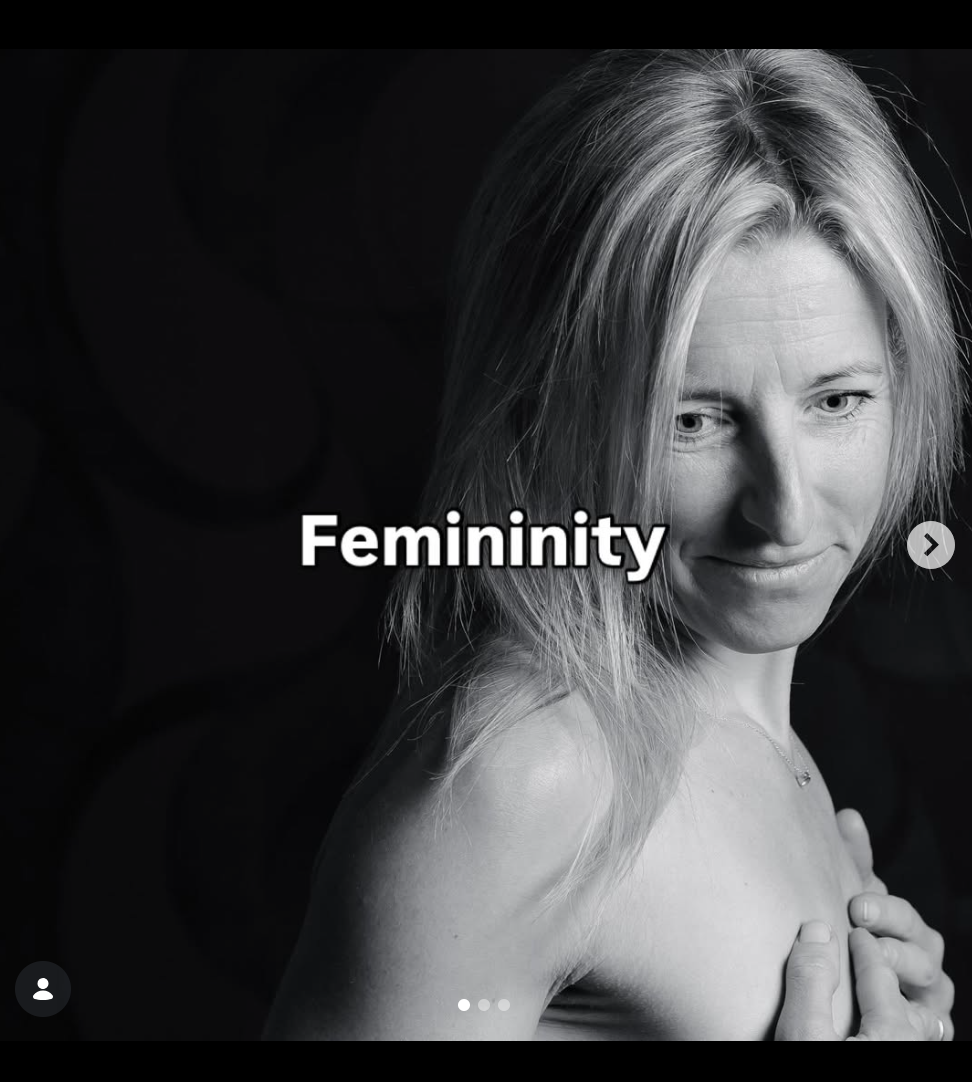
Before cancer, I didn’t give much thought to femininity. Now, after cancer, with no breasts, no ovaries and short hair, I have had to redefine what feminine means to me
Let’s talk about femininity and cancer.
Listen in to this important conversation.
Before I had cancer, I didn’t think about femininity very much at all. I was just me. A sporty woman with long blonde hair, two kids, a love of running, and a wardrobe that was mostly black. I felt healthy. Comfortable in my skin. I didn’t analyse my body or my womanhood — I simply existed in it.
I just was.
Fast forward a few years, and things look very different.
Three years after starting cancer treatment, I finally feel good again. I’m fit and strong. I’ve learned how to manage the side effects of long-term medication. I feel positive, capable, and — most days — I like what I see in the mirror.
And yet, my body has changed enormously.
I have no breasts. I have short hair. I have no ovaries. I’m fully menopausal, and hormone therapy means my body now runs on virtually zero female sex hormones. For many women with breast cancer, especially hormone-positive disease, this is a familiar reality — sudden menopause, loss of libido, changes to skin, hair, body shape, sleep, mood.
So the question becomes: do I still feel feminine?
And maybe even harder — what does femininity mean to me now?
This is something I gave absolutely no brain space to before cancer. Now, if I’m honest, it’s something I think about a lot. Sometimes worry about. Sometimes grieve. And sometimes feel quietly angry about.
Because breast cancer doesn’t just take away physical parts of us — it can take away the way we recognise ourselves.
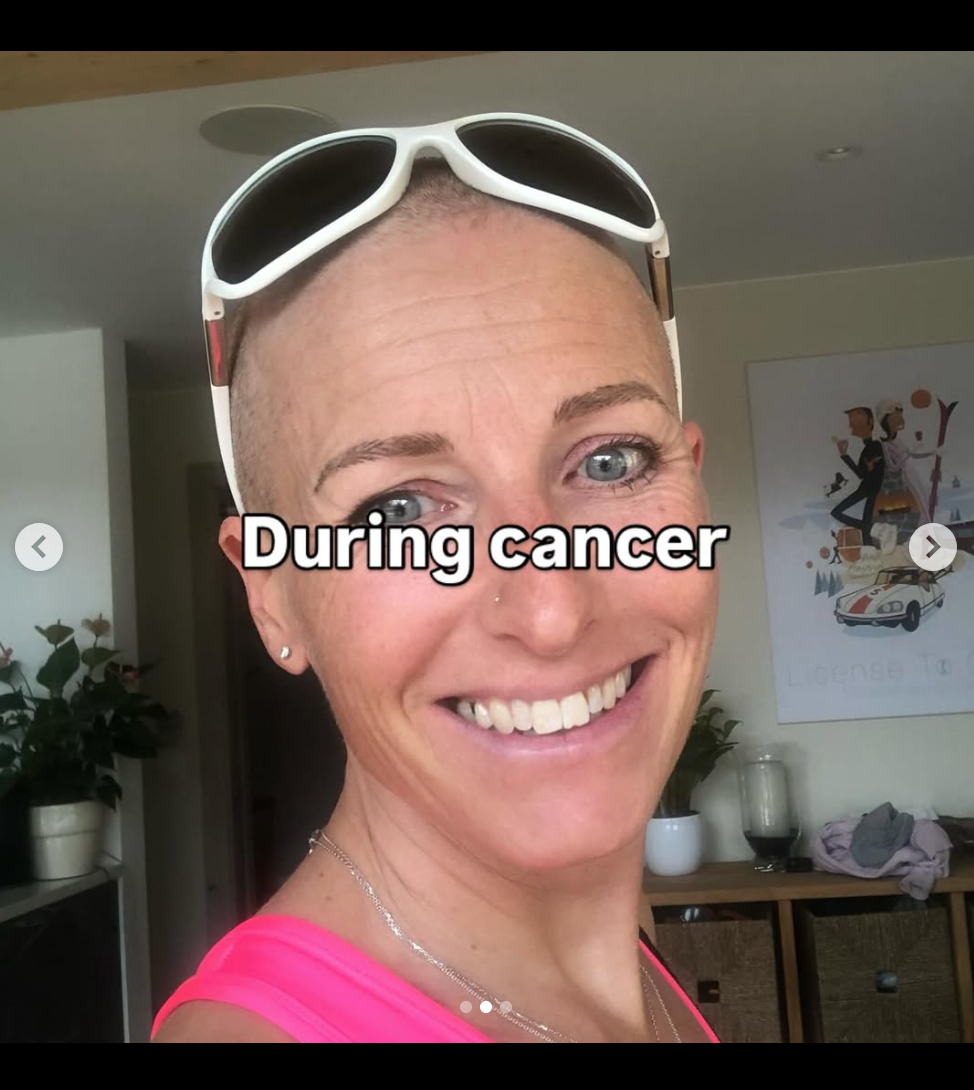
During cancer, I was bald and wore a lot of pink to try and make myself feel girlie - it didn’t really work
Losing breasts can feel like losing a symbol of womanhood. Losing hair can strip away identity overnight. Entering premature menopause can make you feel old before your time, disconnected from your body, or betrayed by it. Hormone therapy, designed to protect us and keep us alive, can dampen desire, flatten emotion, and leave us feeling anything but “womanly” in the traditional sense.
And when you look in the mirror and don’t recognise what you see, it’s very hard to feel feminine.
But here’s the thing I’m slowly learning: femininity is not just what we see in the mirror.
It’s not breasts.
It’s not hair.
It’s not oestrogen levels.
Femininity is lived. Felt. Expressed. And — crucially — it is allowed to change.
For many women after cancer, the task isn’t “getting back” to who we were before. That version of us existed in a different body, a different nervous system, a different life. The real work is allowing ourselves to redefine femininity on our own terms.
That might mean finding it in strength rather than softness. In resilience rather than curves. In boundaries, confidence, and self-respect rather than appearance.
For some women, reconnecting with femininity might look like:
Moving their body in ways that feel empowering rather than punishing
Wearing clothes that feel good now, instead of trying to fit into the old version of themselves
Reclaiming sensuality slowly, gently, without pressure
Letting go of society’s narrow definitions of what a “woman” should look like
For others, it might be about grief first. Acknowledging the loss. Naming the sadness. Giving space to the anger. Because pretending we’re “fine” when we’re not doesn’t help us heal — it just keeps us stuck.
And it’s important to say this out loud: you are not failing at femininity because cancer changed your body.
You are not less of a woman because you no longer have breasts.
You are not broken because menopause arrived early.
You are not difficult, vain or shallow for caring about this.
This is a deep, identity-level issue. And it deserves compassion.
I’m still working it out myself. Some days I feel strong, grounded and very much at home in my body. Other days I catch my reflection and feel a flicker of disconnect. Both things can be true. Healing isn’t linear, and neither is our relationship with femininity.
What I do know is that this is a conversation we need to have more openly — with ourselves, with each other, and with the people closest to us. Femininity after cancer doesn’t have one definition, one solution, or one neat ending. It’s personal. It’s evolving. And it’s allowed to look different from what it used to.
This is such an important part of the post-cancer experience, especially for women with breast cancer and those navigating hormone therapy and premature menopause — and yet it’s still not talked about enough.
That’s why @carlymoosah and I has this discussion about our take on femininity after cancer. We talk honestly, openly, and without pretending to have all the answers.
Please hit share and help spread the word about this conversation — because it’s one we all need to be having. How has cancer affected your sense of femininity? And how might we begin to reclaim it, in ways that actually feel true to who we are now?
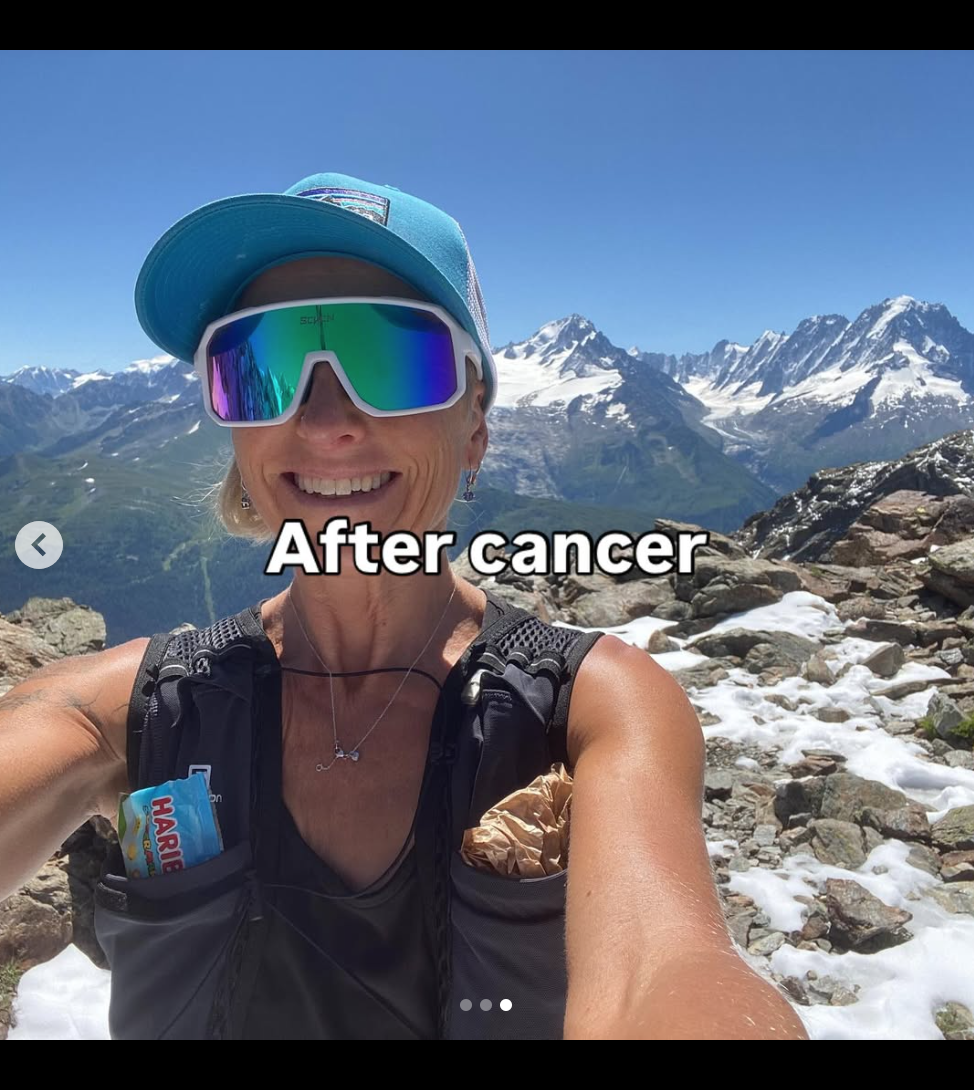
After cancer, I have redefined my relationship with my body and my femininity. I am at peace with what I see in the mirror.