
How to feel well after cancer. Sometimes I feel amazing, sometimes I feel about 80
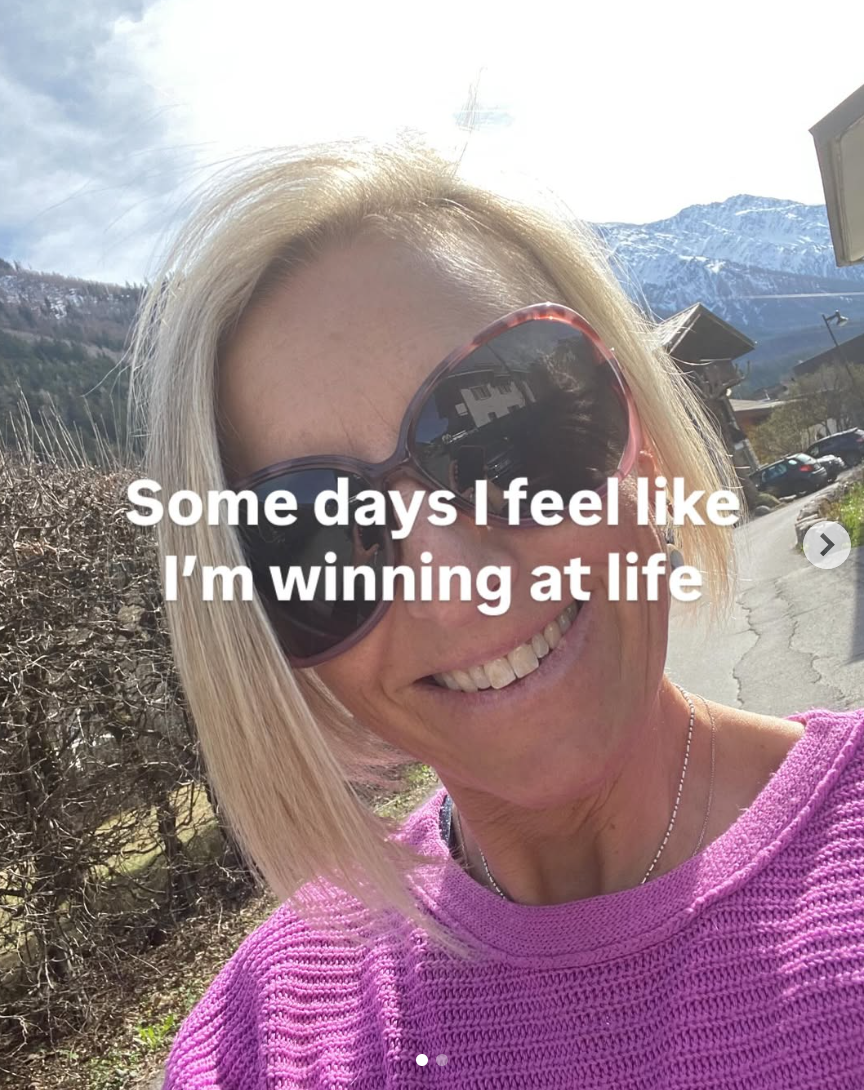
Some days I feel like I’m winning at life, other days I feel like an 80 year old cancer survivor.
Some days, I feel great. Winning at life. Full of energy. Strong. And genuinely happy with how I look — which isn’t the most important thing, but still matters. Feeling comfortable in your own skin and recognising yourself in the mirror is part of wellbeing, especially after cancer.
Other days, I feel about 80.
I’m knackered. Overwhelmed. Achy and slow, like my body is wading through treacle. I know everyone has ups and downs, but since cancer treatment and ongoing hormone therapy, the highs and lows feel more intense and far less predictable.
That’s one of the hardest parts of long-term side effects: the lack of logic. There often isn’t a clear cause-and-effect. I wish I could crack the code and write a neat little recipe for always feeling good. But bodies after cancer don’t work like that.
Instead, I’ve learned to notice patterns and build strategies that help me cope — not cure, not eliminate, but manage.
Exercise is probably the biggest one for me. Moving my body helps me feel strong, capable, energised, and mentally more positive. It reminds me what my body can still do. But I’ve also had to learn the hard way that I can’t train like I used to. I have a tendency to overdo it, and post-cancer my recovery time is longer and more variable.
Some weeks I can do a hard session and feel fine the next day, only to crash two or three days later. Other weeks I feel it immediately but recover quickly. There’s no neat pattern. The key lesson has been this: movement helps, but rest is not failure. I’m trying to respect slow days without frustration or self-judgement — and that’s a work in progress.
Food plays a role too. I generally eat well, but I have a serious sweet tooth and probably eat more sugar than my body loves, even with the amount of exercise I do. I notice it affects my mood, energy, and how I see myself. When my snacks are apples and nuts rather than chocolate, I feel steadier and more at ease in my own skin. Not perfect — just better.
Sleep is huge. And challenging. Night sweats and insomnia are part of my reality, and poor sleep messes with everything: recovery, pain perception, resilience, and emotional regulation. If I’ve slept badly, my feet, knees, and hands will ache far more the next day. When I have a run of good nights, my joint pain feels more manageable. Maybe the pain isn’t actually less — maybe I’m just better able to cope with it.
I’ve also learned how essential downtime is. My life is busy and full — often spent caring for others, meeting demands, and moving from one thing to the next. When I don’t carve out time alone to decompress, my tolerance drops fast. That’s when I spiral into self-criticism, overwhelm, and feeling physically worse.
Living with long-term side effects means accepting that some days will be hard, even when you’re doing “everything right.” It means adjusting expectations, practicing self-compassion, and letting go of the idea that recovery is linear.
I don’t have a perfect formula. What I have is awareness, flexibility, and permission to adapt — day by day.
What about you? What helps you manage your ongoing cancer-related side effects? What’s in your personal recipe for feeling as good as possible, most of the time?
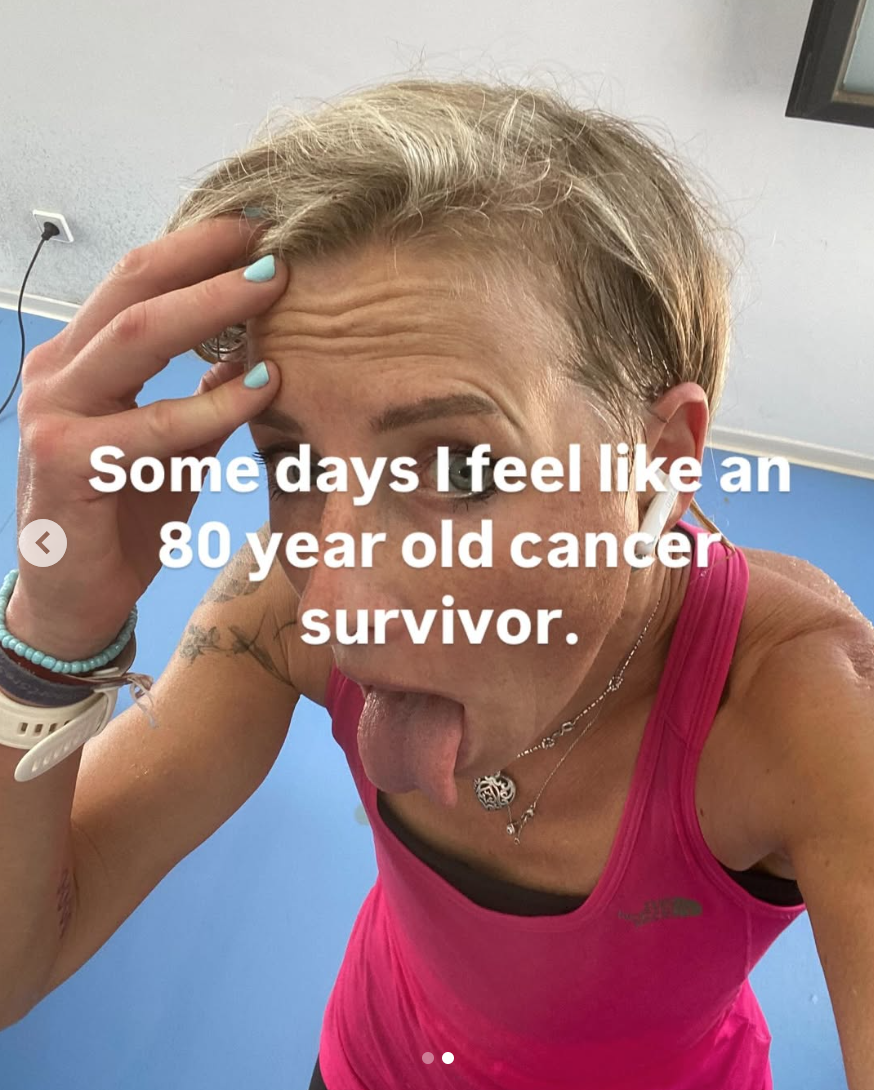
Other days I feel like an 80 year old cancer survivor and my body doesn’t ilsten to what I ask of it.