
Exercise for cancer survivors who are hot - whether it’s summer or you’re drowning in hot flushes!
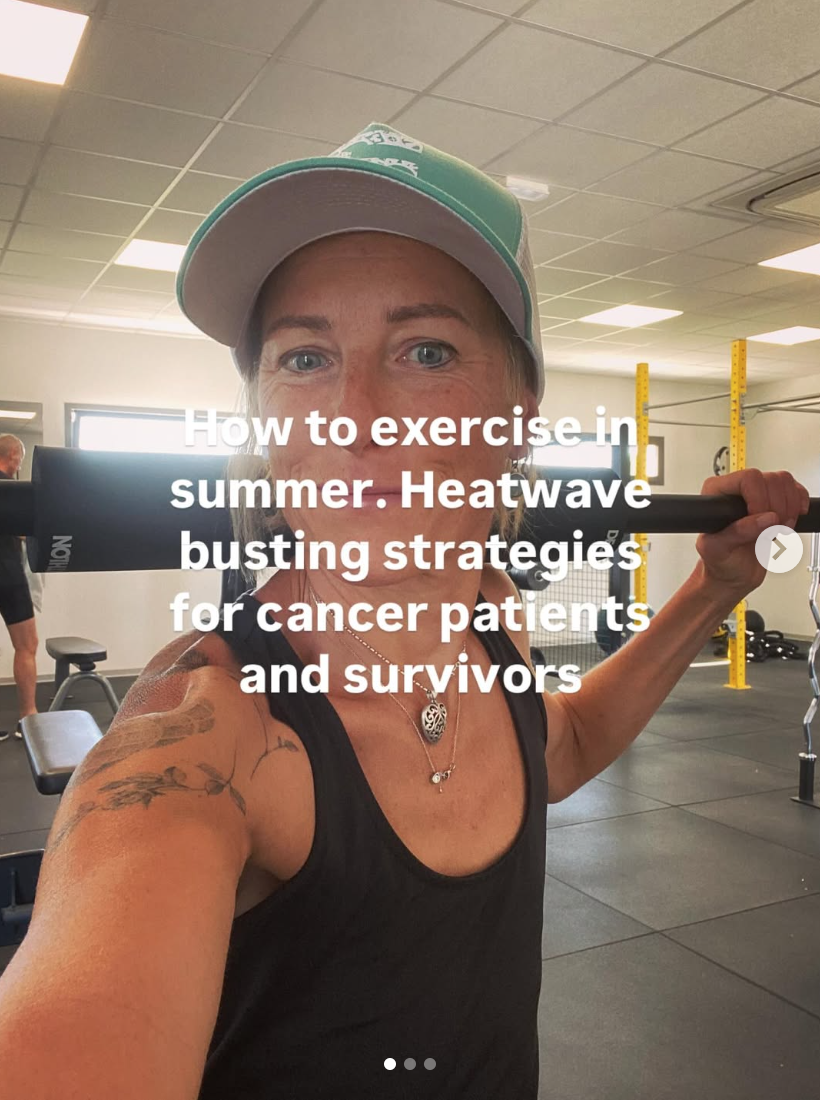
Whether you’re hot because it’s hot outside or hot because of menopausal hot flushes, here are my tips for how to exercise effectively and safely
I did most of my chemotherapy in the heat of summer. In many ways, that was a blessing. Long days and sunshine lifted my mood and helped me cope mentally when everything else felt heavy and uncertain. But physically? It was hard.
My eyes became painfully photosensitive. My nose streamed constantly. I didn’t want to expose any skin for fear of burning, even briefly. On the worst days, there was nowhere to escape the heat or the glare, and hot weather made the nausea so much worse. Even with the best intentions, moving my body felt almost impossible when the temperature climbed.
And yet, I’m a die-hard summer lover. I’m nicknamed “the lizard” because I’m basically solar powered. Heat and sunshine usually suit me. So it’s been a surprise to discover that post-cancer – and post-menopause – I still struggle with heat sensitivity and exercise in warm weather. Add school holidays, disrupted routines and fewer quiet hours in the day, and suddenly even fitting in a short workout can feel overwhelming.
But here’s the thing: as cancer patients and survivors, we know exercise is medicine. It supports recovery, reduces fatigue in the long term, helps manage side effects, lifts mood and restores a sense of control. So rather than giving up in summer, we need to adapt – and be kinder to ourselves in the process.
Here are some realistic, cancer-aware ways to keep moving through the hotter months while managing heat, energy levels and life’s general chaos.
When it's hot, cancer patients and survivors can struggle more than most. It’s hard imagine exercising as well - here’s how!
First: go early. Cooler mornings are your friend. Lay your clothes out the night before and remove as many barriers as possible. If you’re anything like me, waiting for the evening cool-down is wishful thinking – it rarely happens.
If outdoor heat feels too much, embrace air-conditioned spaces. A gym, leisure centre or indoor pool can feel like pure luxury when hot flushes and fatigue kick in. Even gentle movement in a cool environment counts.
Hydration and cooling are non-negotiable. Drink water before, during and after exercise. And if you can, follow movement with water in another form: a swim, a cool shower, or even just sitting with your feet in cold water. It can ease hot flushes, swelling, joint pain and that overheated, wired feeling many of us know too well.
Planning ahead helps conserve precious energy. Check the weather forecast and map out your week. Diarise exercise like any other important appointment – because it is one. Having a plan reduces decision fatigue, which is often heightened during and after treatment.
If you’ve got children at home, get creative. Swap childcare with friends, go out before they wake up, or involve them. Walks, bike rides, garden games and park trips all count as movement, and they don’t have to look like a formal workout to be beneficial.

Here are my top tips for exercising you’re time crunched, hot and can’t be bothered - especially for cancer survivors and menopausal women
Finally, build exercise into your day wherever you can. Walk instead of driving short distances. Move during your lunch break in a shady spot. Swim a few lengths on the way home from work. Small, consistent doses of movement add up.
And a gentle but important reminder: avoid exercising outside during the hottest part of the day. It’s not about pushing through – it’s about working with your body as it is now.
Summer movement after cancer isn’t about perfection. It’s about adaptation, listening to your body, and doing what you can, when you can. That’s more than enough.