
5 Essential tips for cancer survivors to try at the gym
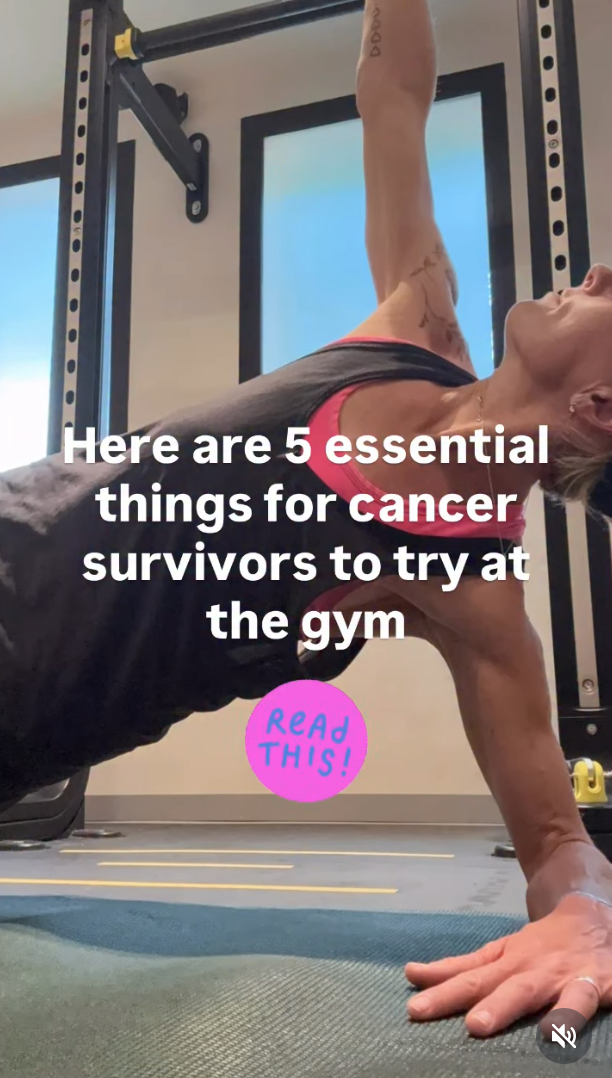
Here’s what to do at the gym as a cancer survivor - it’s not as complicated or scary as it seems to make progress and get fit and strong after cancer
Walking into a gym during or after cancer can feel like stepping into unfamiliar territory.
Even if you were active before, things may feel different now. Your strength might not be what it was. Your balance might feel a bit off. You may be dealing with fatigue, stiffness, or simply a lack of confidence in what your body can do.
And perhaps the biggest question of all: where do I even start?
The good news is that exercise — particularly strength training — is one of the most powerful tools you have in your recovery and long-term health. Research consistently shows that it can help reduce fatigue, improve strength and bone health, support mental wellbeing, and even reduce the risk of cancer recurrence in some cases.
But it needs to be done in a way that feels safe, manageable, and appropriate for you.
Here are five simple but effective ways to approach the gym, whether you’re just getting started or ready to gently challenge yourself a bit more.
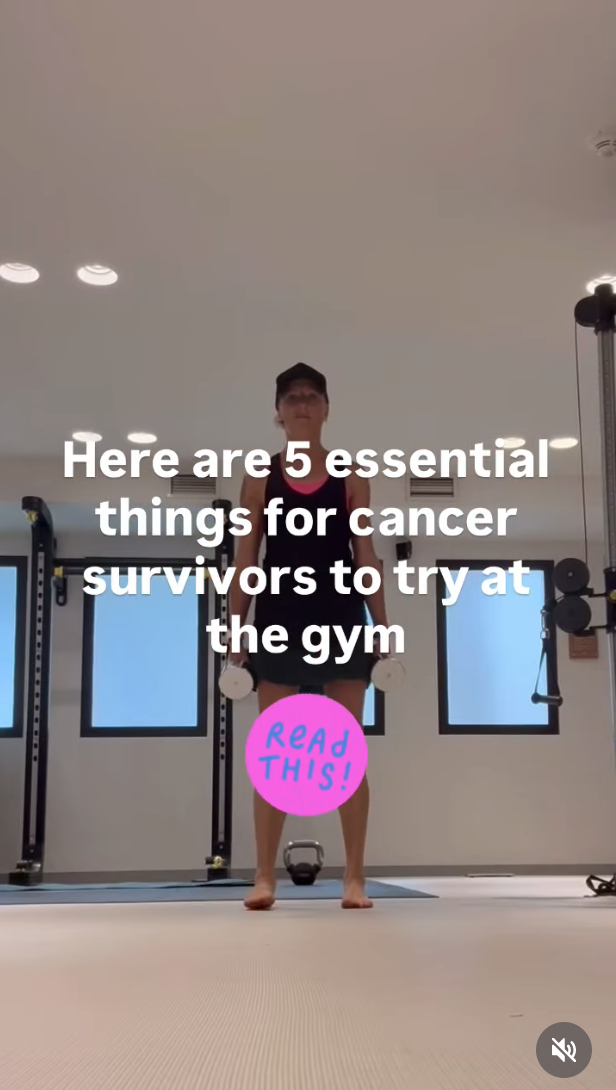
Exercising barefeet can be an excellent way to improve balance, proprioception and form - try it next time you work out!
1. Start by switching your core “on”
Before you lift anything, take a few minutes to wake up your core.
This doesn’t need to be complicated. Exercises like dead bugs, glute bridges, wall press-ups or even a simple plank are a great place to start. The goal isn’t to exhaust yourself — it’s to reconnect with your body.
After cancer, it’s very common to feel a bit disconnected from how your body moves, especially if you’ve had surgery or long periods of inactivity. Activating your core helps your brain and body “talk” to each other again.
From a scientific point of view, this improves neuromuscular coordination — essentially helping your muscles fire in the right order — which reduces your risk of injury and improves your overall strength.
Try to keep your core gently engaged (think 30–50%, not braced rigidly) throughout your workout. It creates a stable base for everything else you do.
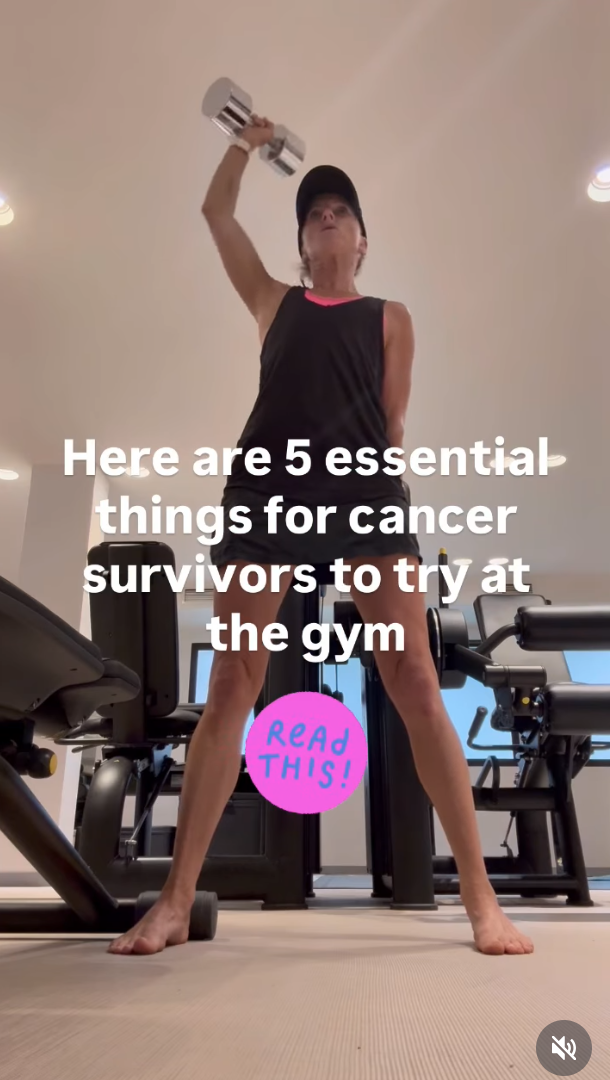
Don’t be afraid to ‘try’ - you’re probably stronger than you think, even after cancer
2. Don’t be afraid to go barefoot (carefully!)
This one surprises people, but training barefoot — where it’s safe to do so — can be incredibly beneficial.
Chemotherapy and certain treatments can affect your balance, joint stability, and sensation in your feet (peripheral neuropathy is quite common). Working out barefoot can help rebuild your proprioception — your body’s awareness of where it is in space.
In simple terms, it helps you feel more stable and in control.
It also strengthens the small muscles in your feet and ankles, which play a huge role in balance and injury prevention.
A word of caution: you may find you can’t lift quite as heavy at first, and you do need to be mindful of safety — especially around weights. But used appropriately, this can be a brilliant way to reconnect with your body from the ground up.
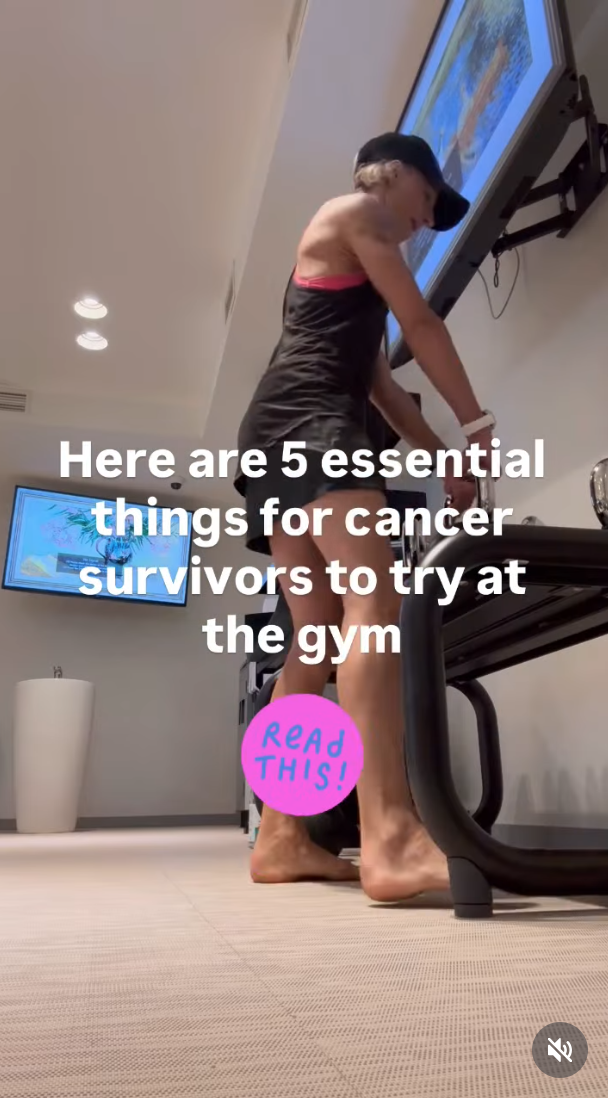
Keep an eye on how your body responds to exercise. A little bit sore is ok - it means your soft tissues are responding and you’re getting fitter and stronger. But it’s important to stay on the right side of ‘pain’, so you don’t get injured and lose momentum
3. You’re probably stronger than you think
Many cancer survivors underestimate their strength.
It’s completely understandable — your body has been through a lot. But unless you are very recently post-surgery or in the middle of intensive treatment, there’s a good chance you’re capable of more than you realise.
In fact, lifting slightly heavier weights for fewer repetitions is often more effective than doing lots of repetitions with very light weights.
Why? Because it stimulates muscle growth and strength more efficiently, improves bone density (which is particularly important if you’ve had treatments affecting bone health), and saves you time.
A simple real-world guide: if you can lift a heavy bag of shopping out of your car and onto the kitchen counter, you can probably lift around 8–12kg in the gym.
Start conservatively, focus on good form, and build gradually — but don’t be afraid to challenge yourself a little.
4. Choose movements that reflect real life
Whenever possible, opt for exercises that use one arm or one leg at a time (known as unilateral training), and favour free weights over machines.
Think split squats instead of leg press. Dumbbell rows instead of seated machines. Single-arm presses rather than fixed bars.
Why does this matter?
Because these movements more closely mimic real-life activities — carrying shopping, climbing stairs, reaching, lifting. They also challenge your balance and core stability much more.
After cancer, it’s very common to have imbalances in the body. One side may feel weaker, tighter, or less coordinated — especially if you’ve had surgery.
Unilateral exercises help you spot those differences quickly. More importantly, they give you the chance to correct them.
A simple tip: start with your weaker side, and match the stronger side to it. Over time, this helps bring your body back into balance.
5. It’s okay for it to feel hard
There’s a gentle but important shift that needs to happen when you return to exercise after cancer.
Yes, we want to be safe. Yes, we want to listen to our bodies.
But we also need to allow space for challenge.
If you’re beyond the very early stages of recovery, the last couple of repetitions in a set should feel difficult. You might pull a face. You might let out a little “grrr”. That’s a good sign.
From a physiological perspective, this is where adaptation happens — where your muscles get stronger, your body becomes more resilient, and your confidence grows.
The key is to keep good form and to breathe properly. Always exhale on the effort (for example, as you push or lift), rather than holding your breath, which can place unnecessary strain on your system.
The bigger picture
Perhaps the most important thing to remember is this: you don’t need to have all the answers before you start.
The hardest part for many cancer survivors isn’t the exercise itself — it’s the uncertainty. Not knowing what’s safe, what’s effective, or what’s “too much”.
That’s completely normal.
Start small. Stay curious. Pay attention to how your body responds. And if you can, seek guidance from someone who understands cancer and exercise.
Because movement isn’t just about getting fitter.
It’s about rebuilding trust in your body. Regaining confidence. Feeling strong, capable, and more like yourself again.
And that is always worth starting for.