
Exercise, cancer and mental health. Why movement is so important for our heads
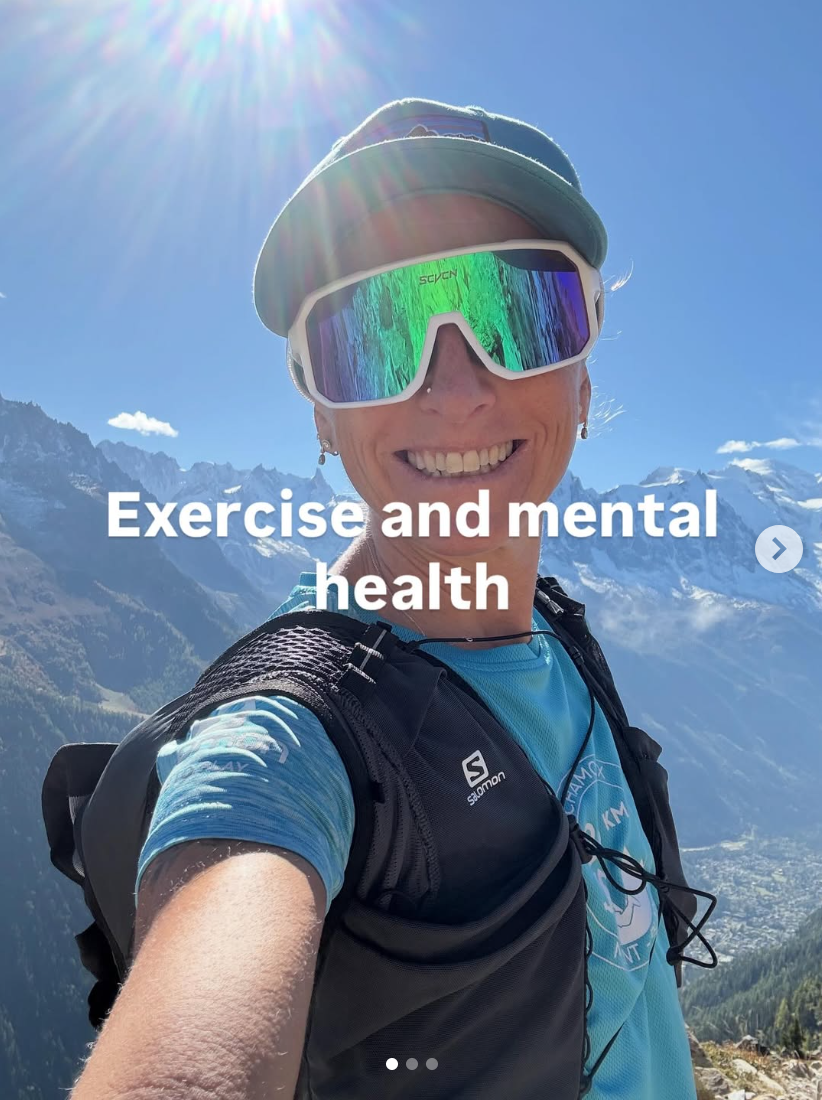
Exercise isn’t just about your physical health - it’s essential for mental health too, especially as cancer survivors
10th October marks World Mental Health Day, sitting right in the middle of Breast Cancer Awareness Month. Two important conversations, overlapping. And if I’m honest, that overlap can feel like a lot.
Because while awareness is so important, living through it — or alongside it — is something else entirely.
There are seasons when everything feels heavy. The to-do list is relentless, life doesn’t slow down, and your energy simply doesn’t match what’s being asked of you. For those navigating cancer, recovery, or supporting someone who is, that weight can feel even greater. Add in anxiety, uncertainty, and the emotional aftershocks that often come with it, and it’s no wonder so many people feel overwhelmed.
On days like that, the instinct is often to push through. To keep going. To tick off just one more thing.
But sometimes, the most powerful thing you can do is stop — and choose something different.
Movement as a reset
We often think of rest as doing nothing. And sometimes, that’s exactly what we need. But there’s another kind of rest that can be just as powerful: gentle movement.
A walk in fresh air. A quiet stretch. A short swim. A slow wander somewhere green with someone you trust. Nothing intense or punishing — just moving your body in a way that feels supportive.
It might seem counterintuitive, especially when you’re tired or overwhelmed. But stepping away from your desk, your responsibilities, or your worries — even for an hour — can completely shift how you feel.
Movement creates space. Space to breathe, to think, to process.
And often, that space is exactly what’s missing.
More than physical
Exercise is often talked about in terms of physical health — strength, fitness, recovery. But its impact on mental health is just as important, if not more so.
For many people, especially those who have experienced cancer, movement becomes an anchor.
It can help to:
Calm anxiety and reduce stress
Improve sleep and concentration
Offer a sense of control when life feels uncertain
Create time away from spiralling thoughts
Rebuild trust in your body
After something like cancer, your relationship with your body can feel complicated. It may not feel like it used to. It may feel fragile, unpredictable, or unfamiliar. Gentle movement can help repair that relationship, slowly and kindly. Not by forcing it, but by reminding you what your body is still capable of — even in small ways.
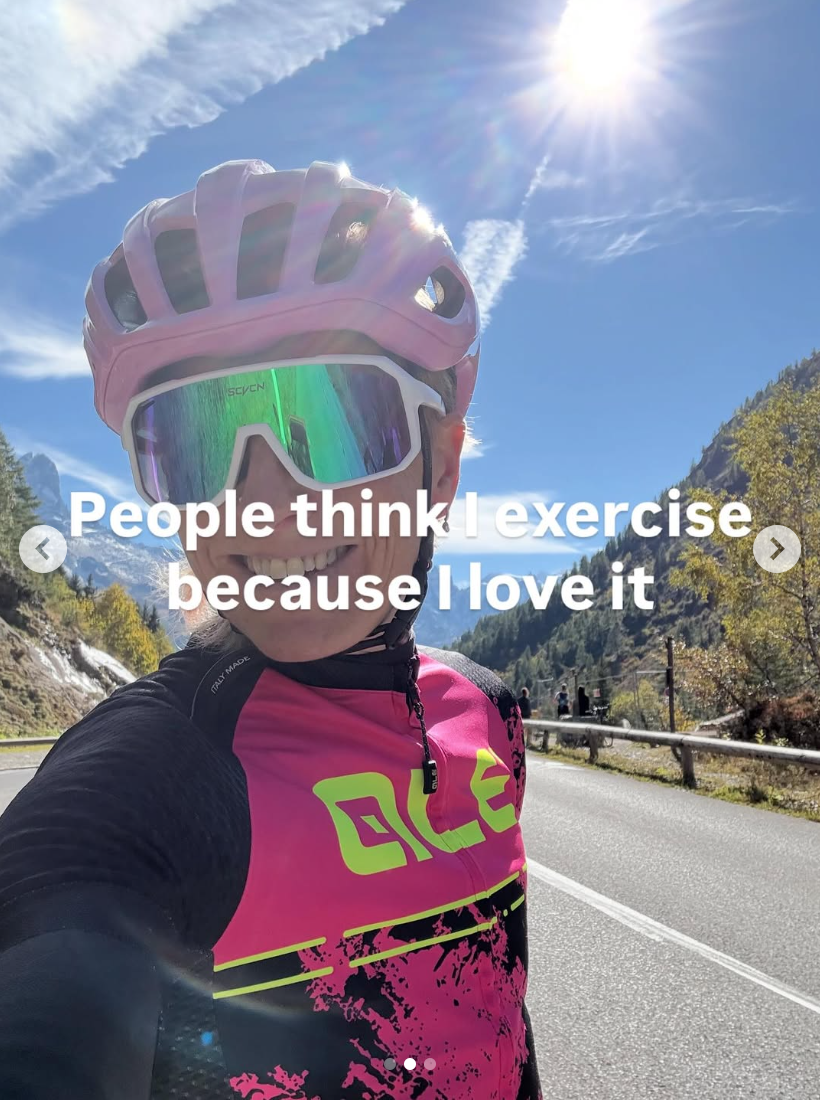
People think I exercise because I love it. But that’s not the case …
It’s not about discipline
There’s a strong narrative around exercise being about discipline, motivation, or willpower. But when it comes to mental health, that framing can feel unhelpful — even exhausting.
Because this isn’t about pushing yourself harder.
It’s about looking after yourself.
Choosing to move your body, particularly when your mind feels cluttered or heavy, can be an act of care. It’s a way of saying: I need this. I matter enough to take this time.
For those who live with anxiety, or who carry a history of depression or loss, that care becomes even more important. Mental health isn’t something you fix once and move on from — it’s something you tend to, regularly and gently.
For cancer patients and survivors
If you’re in treatment, recovering, or living beyond cancer, movement might look very different from what it once did — and that’s okay.
This isn’t about comparison or performance. It’s about meeting yourself where you are.
Some days it might be a short walk to the end of the road. Other days it might be something a little more. What matters is the intention behind it: creating a moment of space, a pause in the noise, a chance to reconnect with yourself.
Even the smallest movement can help shift your state of mind.
And in the middle of everything, that shift can make all the difference.
Giving yourself permission
One of the hardest things can be giving yourself permission to step away from the endless list of things you should be doing.
But mental health doesn’t thrive under constant pressure.
Sometimes, the most productive thing you can do is the thing that helps you feel like yourself again.
A walk. A conversation. A moment of sunshine on your face.
Those things aren’t distractions. They’re support.
A gentle reminder
If things feel overwhelming right now, you’re not alone in that.
And if you can, consider this a small nudge to take a break — to move your body in a way that feels good, not forced. To step outside, even briefly. To choose something that supports your mind, not just your schedule.
Because protecting your mental health isn’t an indulgence.
It’s essential.
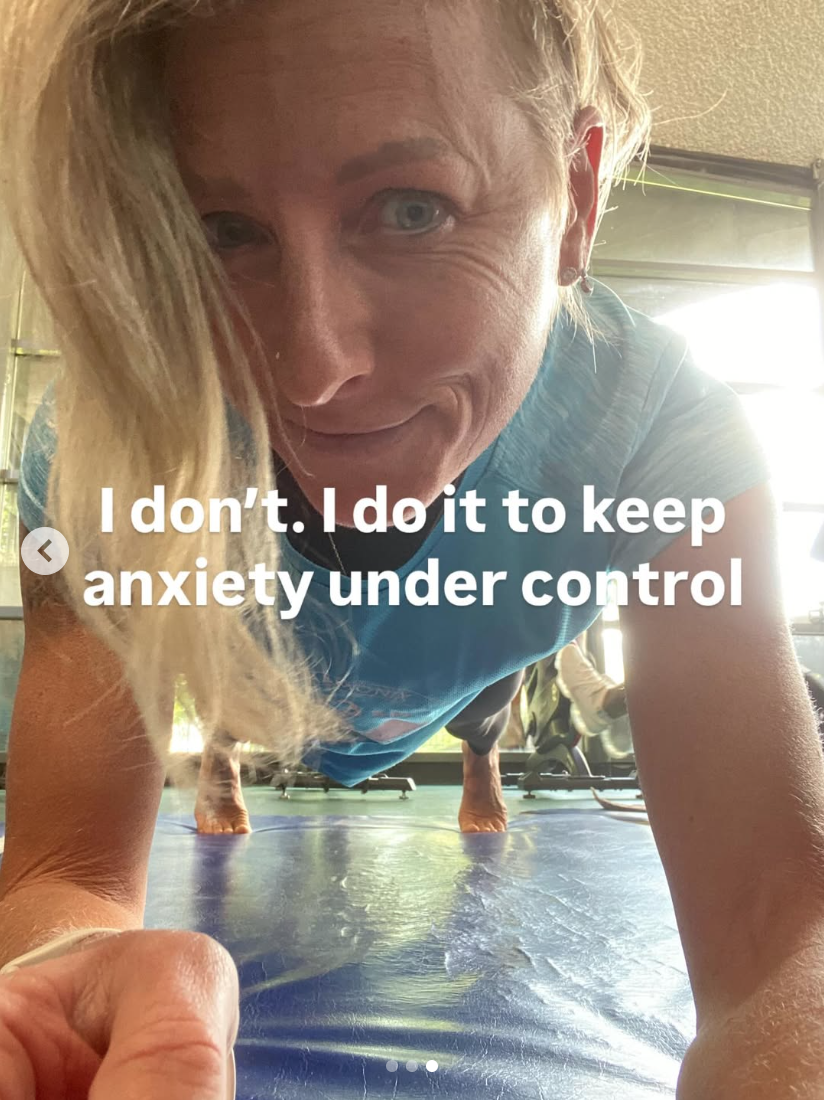
My main reason to exercise is to help prevent anxiety, which has got worse since both menopause and cancer.