
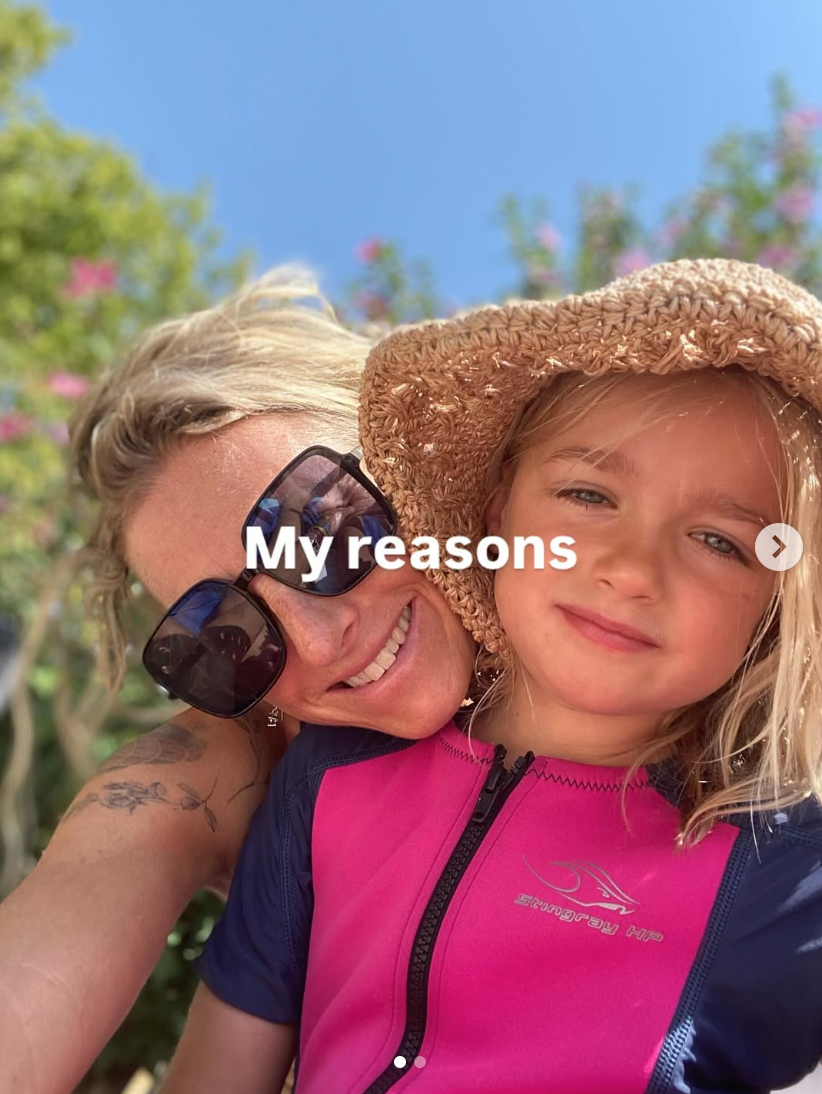
These little people are my reasons. Seeing them grow up is my driving force and listening in and knowing the difference between long term side effect and something to act on is a tricky balancing act, when you’re a cancer survivor
Three years ago, I was limping towards my final chemotherapy session and I was, quite frankly, a mess.
My white blood cell count had fallen off a cliff. I had no energy at all. My body felt battered and unreliable, and I was emotionally hanging on by my fingernails. Everything hurt. Everything felt hard.
And yet, in the middle of all that, I bundled my little team onto a plane and flew to the south of France to visit a friend, squeezed in between chemo treatments. At the time, I was overwhelmed with guilt that my cancer had hijacked their summer, so I did what so many of us do: I pretended I was fine.
I smiled. I showed up. I pushed through.
What people didn’t see was that I barely slept because of relentless night sweats. My joints ached so badly that getting up and down the stairs was an ordeal. I hobbled quietly, out of sight, and put on a brave face because that felt easier than explaining how broken I felt inside my own body.
There are photos from that trip. And there are photos taken in the exact same place three years later.
I am, quite literally, a different person.
Stronger. Healthier. More alive than I ever thought I’d feel again.
And yet… cancer is never quite done with you, is it?
Lately, my long-term side effects have been front of mind again. Which is frustrating, disheartening, and if I’m honest, a bit scary. After a year of feeling genuinely good — barely any aches, moving freely, trusting my body again — my joint pain has flared up seemingly out of nowhere.
I thought I was “over it”.
I thought I was cured.
Apparently not.
My hands hurt enough that typing is painful, which sends my brain spiralling about work and the future. My foot pain has crept back too, and that scares me more than I’d like to admit, because running is my therapy. It’s my headspace. My anchor. The pain isn’t as bad as it once was, but it’s a clear signal that something is off.
And then there’s the mental side of survivorship — the bit we don’t talk about enough.
That quiet, panicky voice that whispers recurrence at the first twinge or flare-up. Even when you logically know that’s unlikely. Even when doctors have reassured you. “Cancery brain” doesn’t listen to logic.
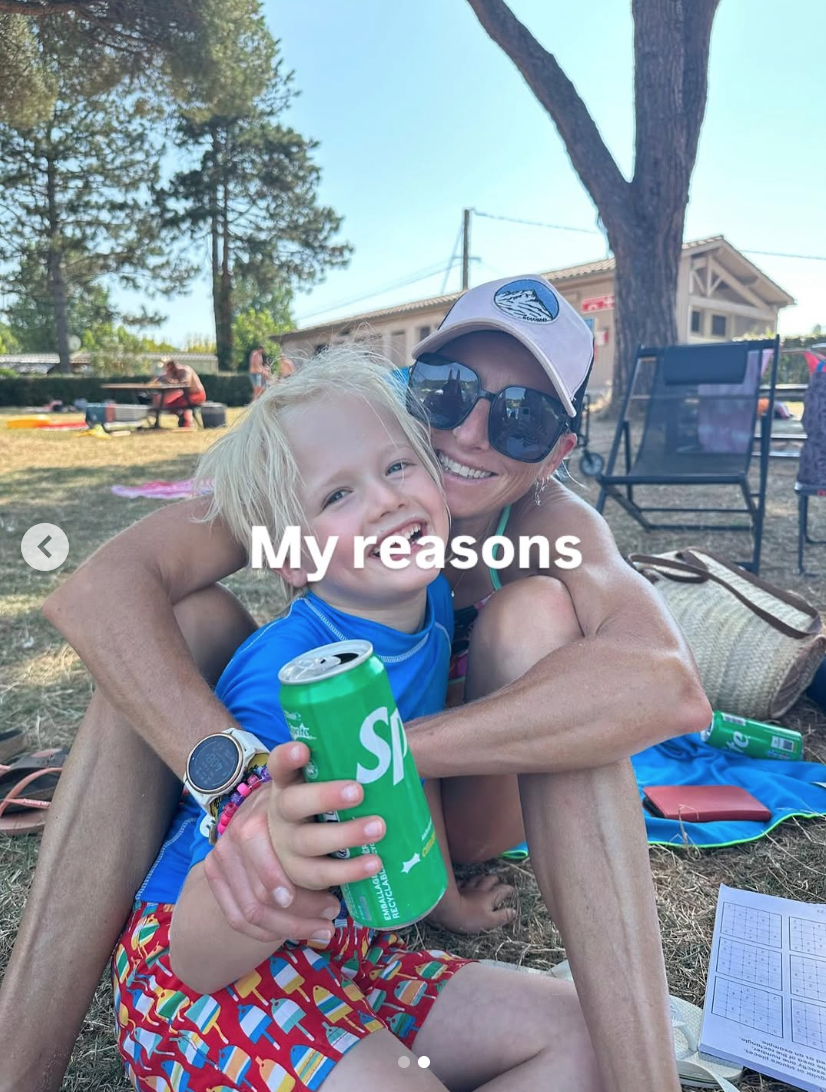
Cutting through the noise to tune in and listen to your body can be hard when you’re a mum and a cancer survivor. We spend all our time caring for and thinking about others, but listening in to ourselves is critical to survivorship.
So I find myself running through the mental checklist many of you will recognise:
🥵 Is it the heat making my joints ache?
😧 Is it stress? There are a few life things bubbling away in the background.
☀️ Is it summer holidays and a lack of proper downtime?
🍦 Is it too much sugar? (The ice cream intake is… enthusiastic.)
🏃 Is it too much exercise? I’ve been ramping up training for an event in September.
💤 Is it lack of sleep? Hot nights, busy days, and evenings crammed with work and chores to compensate for daytime parenting.
The truth is, it might be a bit of everything.
This is the reality of long-term side effects after cancer: they don’t follow a neat, upward trajectory. They fluctuate. They ebb and flow. They can improve for months or years, then flare up just when you’ve started to trust your body again.
And that doesn’t mean you’re failing.
It doesn’t mean you’re back at square one.
It doesn’t automatically mean something sinister is happening.
But — and this part matters — it does mean listening.
One of the hardest lessons I’ve learned is the difference between normal post-cancer “background noise” and signs that need medical input. Aches that improve with rest, hydration, sleep, stress management or reduced training are often just that: your body asking for a pause.
Persistent pain, worsening symptoms, new neurological issues, swelling, loss of function, or anything that interferes with daily life for more than a short period deserves checking out. Not because you’re being dramatic, but because you’ve earned the right to be taken seriously.
Hope and realism have to coexist in survivorship.
You can be profoundly grateful to be here and fed up with the ongoing consequences. You can be fitter than you’ve ever been and knocked sideways by side effects. You can love your post-cancer life and mourn the ease you once had.
None of that makes you ungrateful. It makes you human.
Three years on, I am living proof that healing happens. Bodies adapt. Strength returns. Joy comes back in unexpected ways.
But healing is rarely linear.
If you’re in a flare right now, please know this: it doesn’t erase how far you’ve come. Listen to your body. Rest when you need to. Adjust without guilt. And if something doesn’t feel right, ask for help — again, and again if needed.
Cancer may have been the main event, but survivorship is the long game. And you don’t have to play it alone.
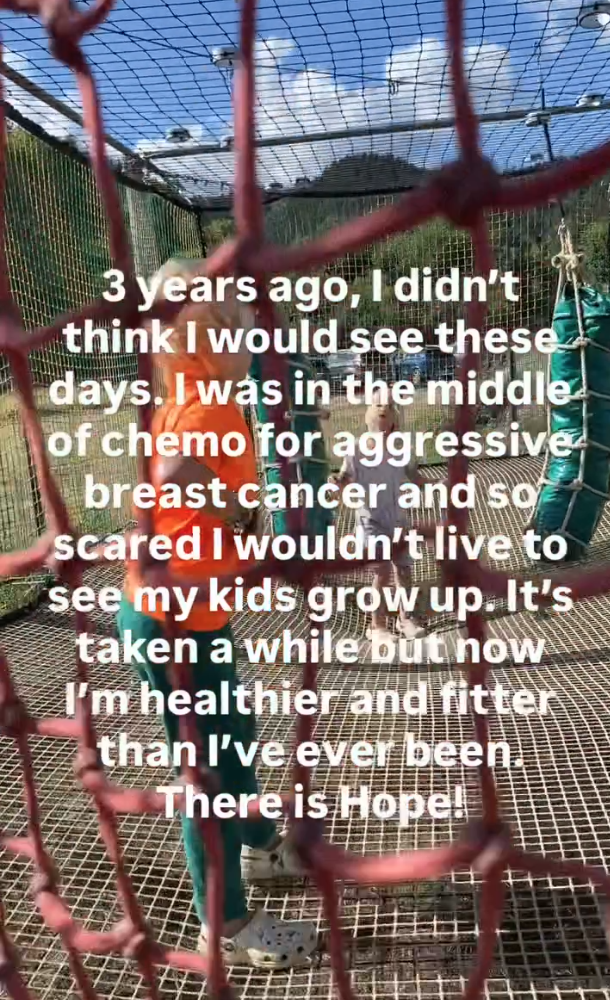
My driving force after cancer is to see my kids grow up. What am I doing to help make sure that happens - exercise, nutrition, sleep, stress reduction. And love.