
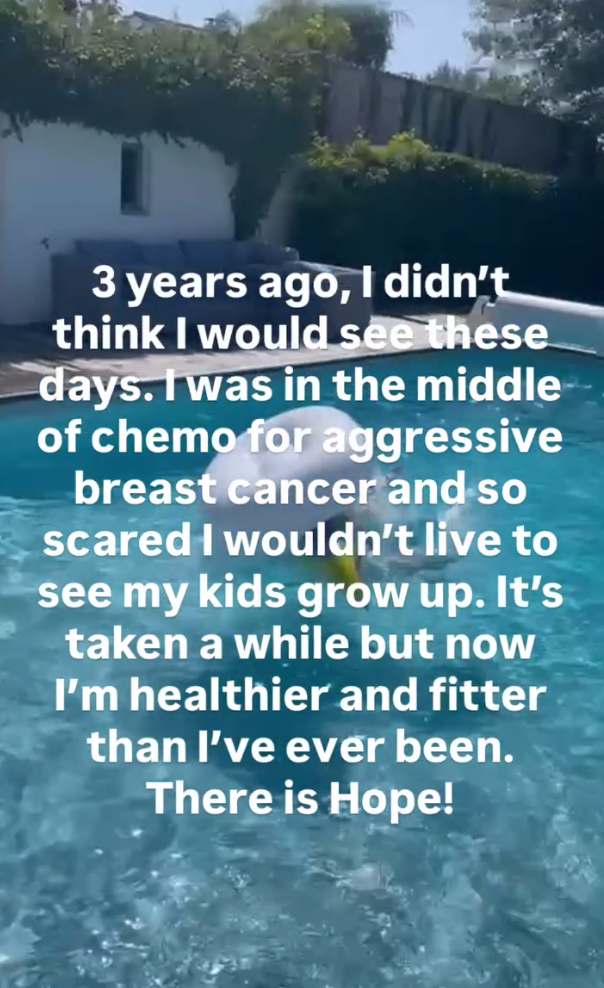
It’s hard to believe that it was 3 years ago since I went through cancer treatment. It feels like yesterday - but also a lifetime ago
Three years ago, I was sitting in an oncology chair in the middle of chemotherapy for aggressive breast cancer, absolutely terrified. Not of losing my hair or feeling sick – but of the bigger, quieter fear that crept in during the long nights: What if I don’t get to see my children grow up?
At that point, “getting fit again” wasn’t even on my radar. Survival was the goal. Getting through the next appointment, the next scan, the next wave of exhaustion. Exercise felt like something from a different lifetime – a version of me that existed before cancer, and maybe wouldn’t exist again.
Fast forward to now, and I’m living in a body I barely recognise – in the best possible way.
I am healthier and fitter than I ever imagined I could be after cancer. Truly. I didn’t think it was possible to feel this good again after months of treatment, surgery, and ongoing hormone therapy. This isn’t meant to sound smug or like I’ve “beaten” anything. It’s just honest surprise and deep gratitude.
This year, I turn 50.
And this summer, I’ve been quietly smashing personal bests on my bike and when running – often without even trying that hard.
That doesn’t mean it’s all effortless. I need more recovery than I used to. I’m achy more often (hello menopause and hormone therapy). I get tired more easily, and my patience has been tested far beyond my comfort zone. It’s taken a shocking amount of consistency, persistence, and learning to be kind to myself – which, if I’m honest, does not come naturally.
But here I am.
Doing things I never thought I’d be able to do again.
So how did I get here?
Not through anything magical, expensive, or extreme. And definitely not through perfection.
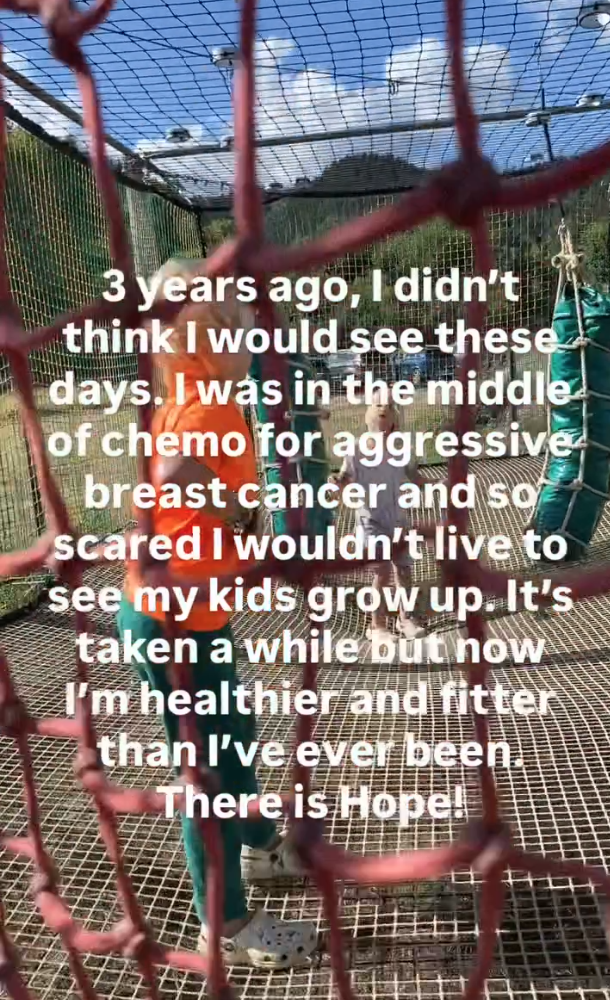
My driving force after cancer is to see my kids grow up. What am I doing to help make sure that happens - exercise, nutrition, sleep, stress reduction. And love.
It’s been built slowly, on a foundation of boring-but-brilliant basics: consistent exercise, structured training, and mostly good food choices. I drink very little alcohol now. I prioritise sleep as much as my occasionally rebellious insomnia allows. I lean hard on lovely friends and family. I get outside when I can, soak up the sunshine, and protect pockets of time that are just for me.
None of this costs much money. But some of it does require difficult choices – especially in a busy working family where everyone else’s needs can easily come first. I’ve had to learn (and relearn) to put myself high enough on the priority list to matter.
If you’re reading this as someone living with or beyond cancer, and wondering whether feeling strong again is possible, here are the things I wish someone had gently drilled into me earlier.
Schedule exercise like you would a meeting.
Exercise isn’t a “nice to have” after cancer – it’s medicine. The benefits for cancer patients and survivors are well supported by research, from reducing fatigue to improving mental health and long-term outcomes. Treat movement as non-negotiable, even if it’s short and even if it’s slow.
Start small. Start where you are.
Your starting point is valid. If today’s movement is a walk around the garden or five minutes of stretching, that counts. Progress comes from showing up consistently, not from pushing yourself into the ground.
Make good food the default, not a project.
Eating well doesn’t need to be fancy or restrictive. Fewer ultra-processed foods and more fibre-rich, colourful plants is a solid place to begin. Aim for “mostly good, most of the time” and let go of perfection.
Sleep matters more than you think.
Good sleep makes everything feel more manageable – physically and emotionally. Menopause, anxiety, and treatment side effects can make this tricky, but small changes like an earlier bedtime, reduced screens, and a calming routine are a powerful start.
Prioritise time with people you love.
Connection is underestimated as a healing tool. Laughter, shared meals, quiet chats – all of it feeds something deeper than muscles and lungs.
Balance it with time alone.
Recovery isn’t just physical. Time to reflect, breathe, and be you (not a patient, parent, or employee) is essential for rebuilding after cancer.
If you’re at the beginning of this journey, please know this: you don’t have to become the “old you” again. You’re allowed to become someone new – someone stronger, softer, wiser, or simply more at home in their body.
I didn’t think I’d feel this good again.
But here I am.
And if it’s possible for me, it’s possible for you too.
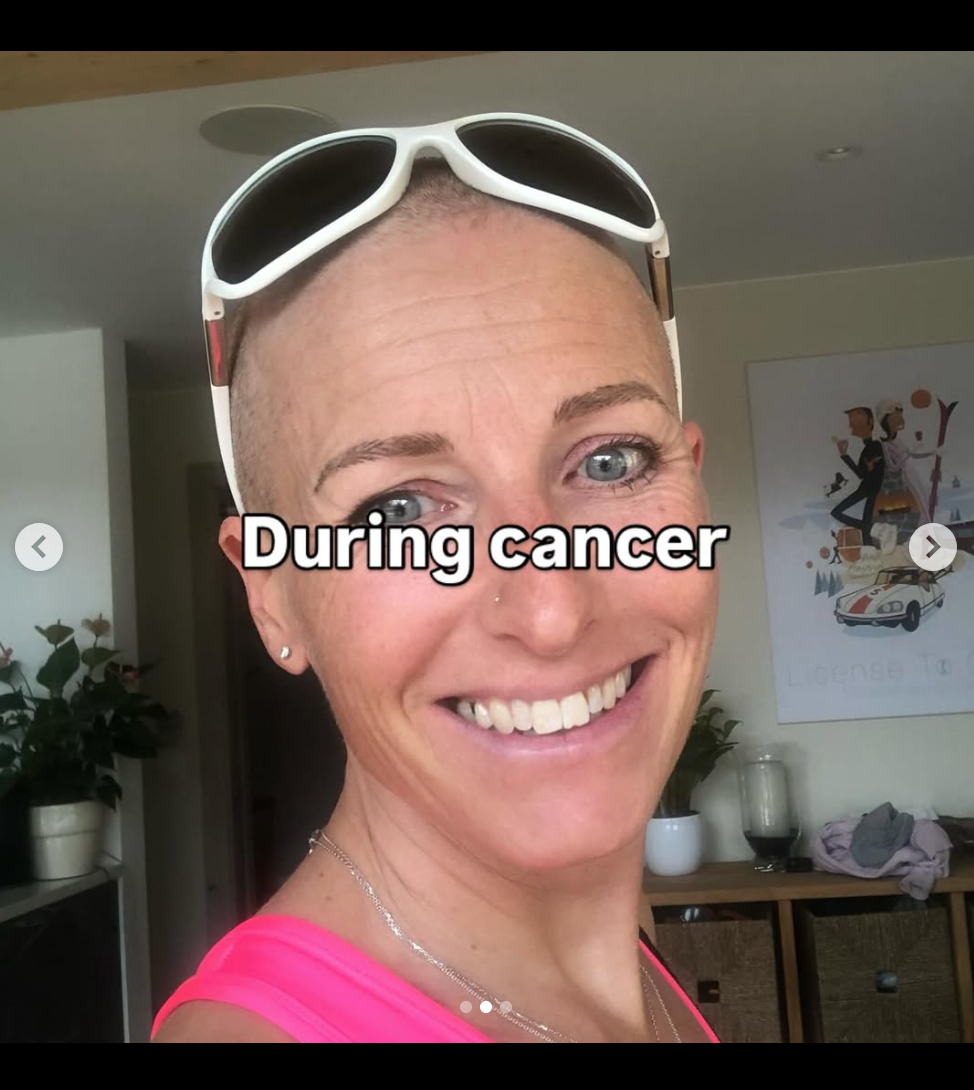
During cancer, I was bald and wore a lot of pink to try and make myself feel girlie - it didn’t really work