
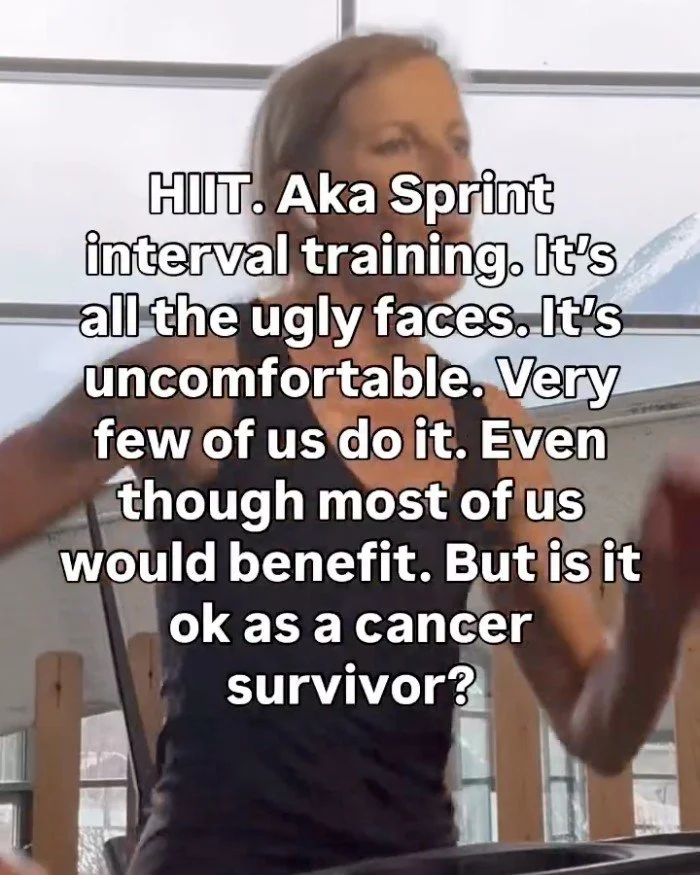
HIIT. Sprint interval training. It's all the ugly faces. It's uncomfortable. Very few of us do it, even though most of us would benefit. But is it ok as a cancer survivor? Here's why I love it, why it matters so much after cancer treatment, and how to know when you're ready.
🏃♀️ What is HIIT?
HIIT stands for high intensity interval training. It's a type of sprint training where, for short bursts of typically 20 to 30 seconds, you go all out. The aim is to push your heart rate really high, then recover, then go again.
To give you an idea, in one of my recent treadmill runs I did about five minutes of hard effort in total, broken into short sprints, with rests and easy jogging in between. That's it. It's short, sharp, hard. And it feels amazing. Afterwards! 🤣
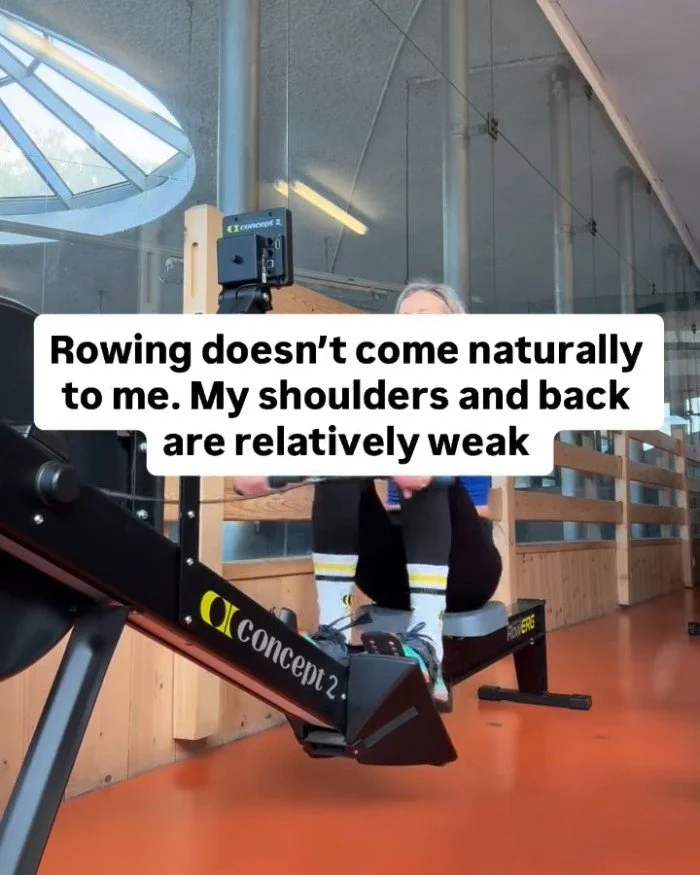
HIIT doesn't have to mean running, either. It could be cycling, rowing, skipping, dancing: anything that gets your heart beating hard for a short burst.
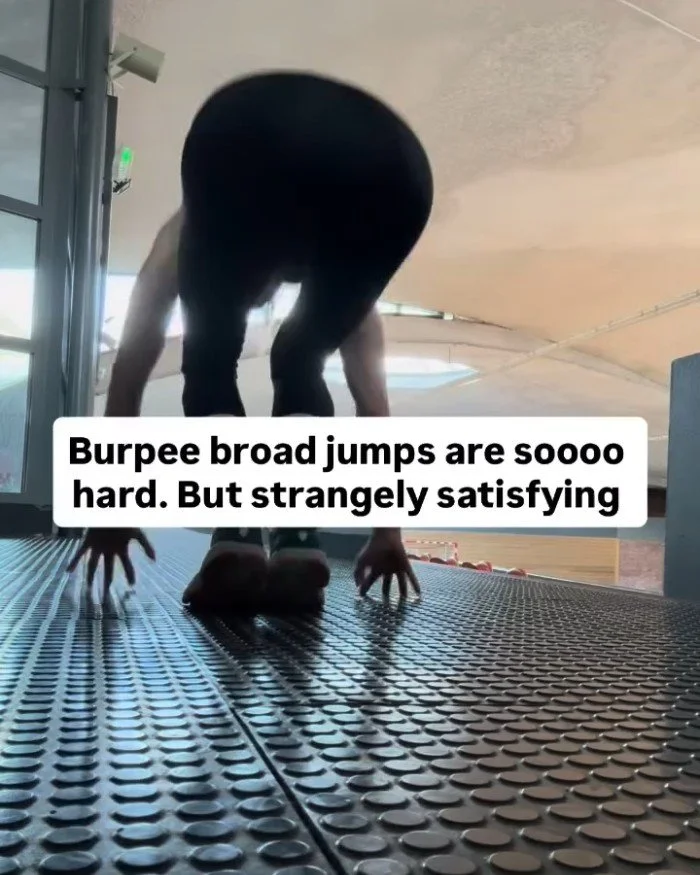
💖 Why would we want to do that?
It doesn't look very comfortable, does it? So why put ourselves through it?
As we get older, we naturally lose cardiovascular fitness, and our VO2 max (our body's maximum capacity to take in and use oxygen) drops. That might not sound like a big deal. Until you learn that a high VO2 max in our 40s and 50s is one of the best indicators of longevity and independence in later life.
I think about this a lot. I want to still be adventuring with my kids in 20 years' time. The foundations we build now (cardio fitness, leg strength, grip strength) are what our 70s and 80s are built on.
❤️ Why cardio fitness matters even more after cancer
For those of us who have been through cancer treatment, there's an extra reason to care about our hearts.
Many of us have had chemotherapy that can be cardio-toxic, meaning it can put strain on the heart. Many of us also lost a huge amount of our base fitness during treatment. I certainly did. Months of chemo, surgery and radiotherapy stripped my body right back, and getting my fitness back has been a long process.
So it's important that we claw back our cardio fitness and do what we can to protect our hearts. HIIT is a very good way to do that, and the best part is it doesn't take long. For busy, time-crunched survivors juggling work, family and appointments, that matters.
🛑 When is HIIT safe for cancer patients and survivors?
This is the important bit. HIIT is hard on the body by design, so timing matters. My rules of thumb:
Not during active cancer treatment. This isn't the time to be pushing your heart rate to its limits. Gentle, regular movement is your friend during treatment.
Only when you have medical sign-off to push your heart rate. If you've had cardio-toxic treatment, or you have any heart-related concerns, talk to your oncology team or GP first.
Only when you've rebuilt a good base level of strength, mobility and fitness. With HIIT you're not only pushing your heart, you're pushing your joints and muscles too. Without that foundation, you're asking for injury.
As a guide: if you were fit and active and regularly did HIIT before cancer, think about six months after finishing treatment as a sensible point to start reintroducing it. If you've never done HIIT before and want to try, build up slowly.
🪜 How to build HIIT into your cancer recovery
Start shorter than you think. If you're new to HIIT, begin with short bursts of 10 to 15 seconds, not 30. Give yourself plenty of recovery between efforts.
Choose low-impact options first. Running sprints put a lot of load through your joints, tendons and bones. If you're dealing with joint pain from hormone therapy, or you have osteopenia or osteoporosis (as I do), an exercise bike, rower or cross-trainer can be a gentler way in.
Keep the total hard effort small. Remember, my whole session had only about five minutes of real effort. More isn't better. Quality is what counts.
Warm up properly. Spend at least 10 minutes easing in with easy cardio and some mobility before your first sprint.
Respect your recovery. Since cancer and hormone therapy, I need a lot more recovery time than I used to, and it's not always predictable. Leave at least a day or two between HIIT sessions, and listen to your body if fatigue hits days later.
Combine it with strength training. HIIT works best as part of a bigger picture. Strength training twice a week, plenty of walking and good mobility work will all help you get more from your sprints and stay injury-free.
My top tip: you should finish a HIIT session feeling worked but energised, not wiped out for the rest of the day. If you're flattened, scale it back next time.
💬 Is HIIT right for you?
There's no one-size-fits-all approach to exercise during or after cancer. Your treatment, side effects, fitness level and the activities you love all shape what's right for your body. HIIT might be a great fit for you now, or it might be something to work towards over the next few months.
If you'd like to chat about building HIIT, or any kind of cardio training, safely into your cancer recovery, get in touch. I'm always happy to answer questions and help you find a way to move forwards, one step (or sprint!) at a time.