
Food! It's an absolute minefield after cancer. It's terrifying. When you've been through cancer treatment, it's completely natural to want to do everything you possibly can to stay well and prevent cancer coming back. And there is no shortage of people online telling you exactly what you should and shouldn't eat. Here's my honest take on food and nutrition after cancer – as a breast cancer survivor and cancer coach, not a dietitian.
🍫 The "avoid sugar and only eat organic" message
I once listened to a podcast by a well-known British journalist with an "expert" talking about food after cancer and how what you eat can prevent cancer recurrence. The key takeaways were: eat organic and avoid sugar.
Sorry, but I don't buy it.
I'm not a scientist, but I do know that our bodies break carbohydrates down into glucose. It's virtually impossible to keep sugar out of your bloodstream – our cells, muscles and brains need it. And unless you are extremely privileged, time-rich and wealthy, it's impossible to eat only organic food.
What a scary, guilt-inducing message to put out to cancer patients in mainstream media. Many of us are already anxious about every choice we make after cancer. We don't need more fear.
📺 Why wellness misinformation is so dangerous for cancer patients
When I watched the Netflix series Apple Cider Vinegar, I found it scary and triggering. It was an acute reminder of how vulnerable we are, and how much false information is out there about health and cancer.
As cancer patients and survivors, we've faced our own mortality in a way few others can understand. When you've come out the other side of cancer treatment an absolute shell of your former self, it's easy to grasp at anything that promises wellness – especially if it promises to stop cancer coming back.
So here's where I stand. Trust your medical team – and if you don't, ask for a second opinion. Modern cancer treatments are amazing and constantly evolving. I firmly believe that if I hadn't had chemo, radiotherapy, surgery and ongoing medication, I wouldn't be here. Everything else we do – food, exercise, sleep, stress – works alongside medicine to help keep us healthy, feeling good and reduce our risk of recurrence. It doesn't replace it.
🥦 What I've actually changed about my diet after cancer
I haven't followed a restrictive "cancer diet". But I have made some sustainable changes:
I drink a lot less alcohol. This has been one of the biggest changes for me.
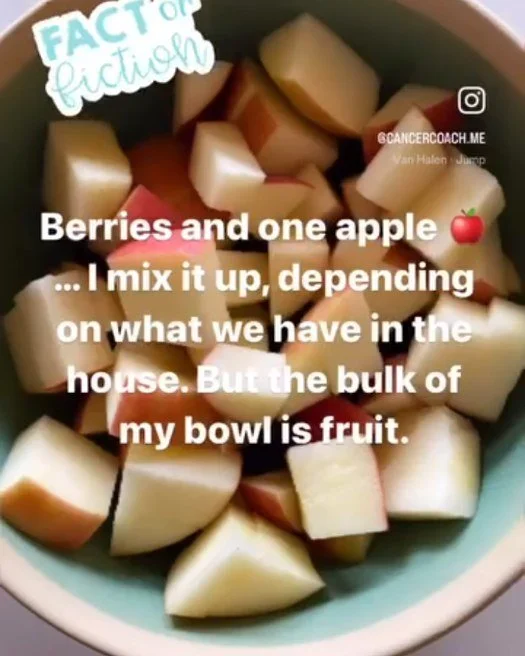
I eat much more veg and fruit – and therefore fibre. Most of us need more fibre, more vegetables and more variety.
I'm more mindful of ultra-processed food. Not perfect – just more aware.
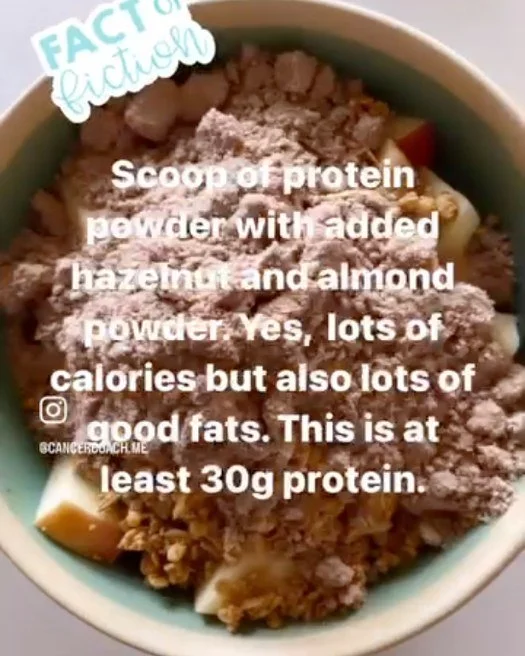
I think about protein. Especially important for rebuilding muscle after cancer treatment and as we get older.
And I still eat everything – in a balanced, sensible way that's right for me and for my family. We all eat together, so that matters too.
🧑🍳 Adding in, not taking away
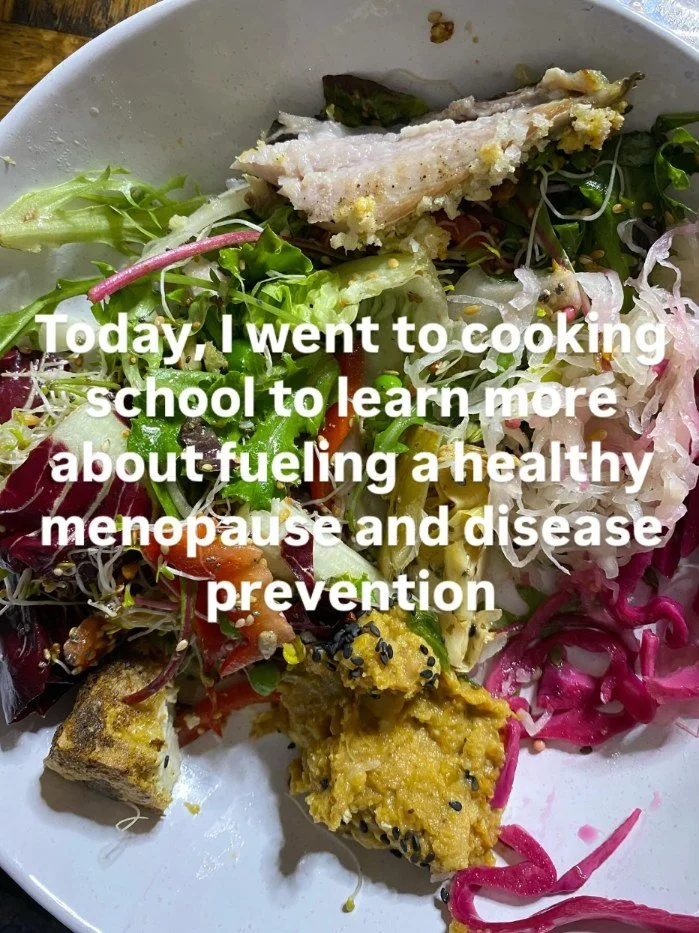
I went to a cooking class run by my friend Emma, a chef who has also had cancer, to learn more about fuelling a healthy menopause and disease prevention. I have a pretty good base knowledge about nutrition, but I'm not a cook! Life gets in the way and I don't always do the little extra tweaks that boost my food to the next level.
I came away inspired to increase my plant-based protein and fibre, and to add some fermented foods into the mix to support my gut. The biggest lesson was the mindset: it's all about adding good stuff in, not taking away and depriving yourself. That's a far kinder, more sustainable approach after cancer than a long list of banned foods.
💊 Supplements after cancer
Personally, I only take calcium and vitamin D, on prescription, because of the impact of hormone therapy on my bones. I prefer to get my nutrients from food.
A few things worth knowing before you spend a fortune:
Your body excretes much of what it doesn't absorb, so many supplements are literally flushed away.
Some supplements you do store can be toxic in high doses, so be wary of expensive products with very high doses.
Some supplements can interact with cancer treatments – always check with your oncology team or pharmacist.
You can have blood tests to check whether you're actually deficient in something. It's a good idea to speak to a professional before buying into an expensive regime.
✅ My balanced approach to healthy living after cancer
Alongside your medical care, these are the basics that make the biggest difference:
Move – walk or more, most days.
Build muscle – strength training twice a week.
Eat well – more fibre, more vegetables, more variety, enough protein.
Less alcohol.
Manage stress and prioritise sleep. Easier said than done!
And for me, balance also means chocolate, sometimes. Life is also for living.
💬 Take it with a pinch of salt
No judgement about what you choose to eat. But please take the nutrition and cancer messages you see on social media with a big truckload of salt. If you want specific dietary advice, speak to a registered dietitian, ideally one who specialises in oncology.
If you'd like help building healthy, realistic habits around exercise, food, sleep and stress after cancer, get in touch. Small, sustainable tweaks beat drastic rules every time.