
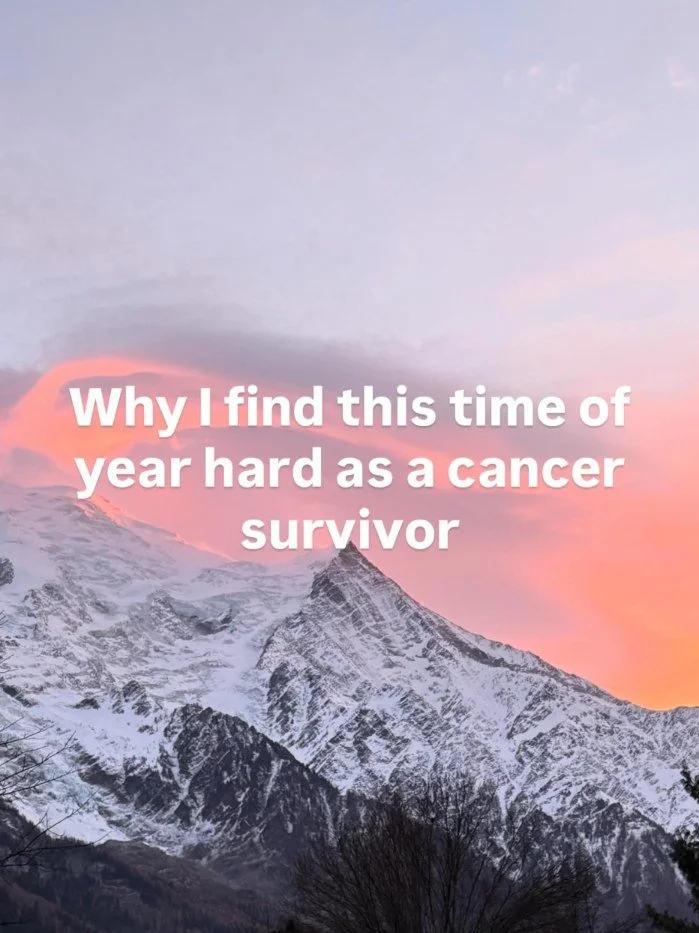
I find winter really hard. I always have. But it's harder as I get older. And it's harder still as a cancer survivor. If you're dreading the dark months too, I want you to know you're not alone. Here's why winter after cancer can feel so heavy, and the practical things – most of them involving movement – that help me get through it.
❄️ Why winter is harder for cancer survivors
Cancer anniversaries. All of my "cancery" anniversaries fall in winter. My cancerversary – the day I heard the words "you have cancer" – is 21 December. The weeks around it are full of memories of fear and uncertainty: the scans, the waiting, the first conversations about cancer treatment.
I've learned to give myself deliberate space and processing time around these dates, so the feelings don't sneak up on me unexpectedly. It doesn't always work. But it helps.
Dark days and SAD. I suffer from seasonal affective disorder (SAD). I always have, even as a child. It's getting worse – or maybe I'm just getting less tolerant of it. Short, cold, grey days drain my energy and my mood. And when you're already living with cancer-related fatigue, hormone therapy side effects and the mental load of survivorship, that drop in mood can hit harder.
Fear of recurrence. The quieter, darker months leave more room for worry. For many of us, fear of cancer recurrence never fully goes away, and winter can turn the volume up.
🌤️ What helps me cope with winter after cancer
None of this is magic. But these are the things that genuinely make a difference for me.
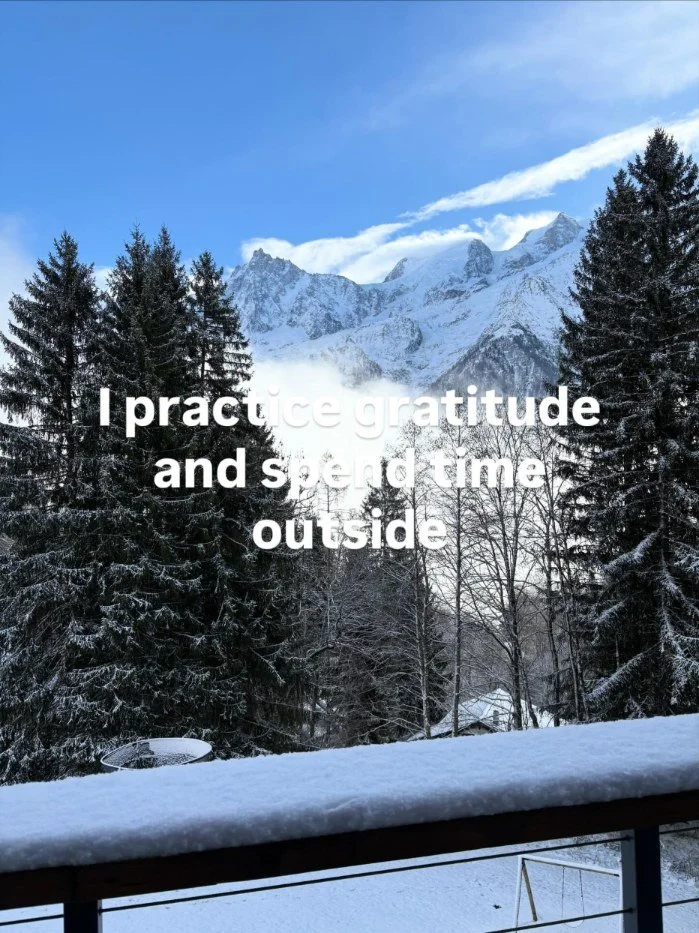
Daylight, every single day. Getting outside in natural light every day helps my mood more than anything else. Even when it feels short or lacklustre, it's worth the effort.
Moving, even when I don't feel like it. Exercise is my coping mechanism all year round, but especially in winter. Wrapping up warm and forcing myself outside to move – a walk, a run, a hike in the snow – almost always leaves me feeling better than when I started. As a cancer exercise specialist, I see the same with my clients: regular movement helps with low mood, anxiety, fatigue and sleep, which are exactly the things winter makes worse.
Making plans with friends. It's so easy to cancel on yourself when it's cold and dark. Arranging to walk or train with a friend keeps me accountable – and gives me the social connection I need when I'd otherwise hibernate.
Changing the scenery. In the depths of winter, I shift some of my exercise indoors. Going to the gym, lifting weights and then sitting in the sauna is brilliant for my head. And the warmth!
Swimming, even though I hate it in winter. Swimming is pretty much my least favourite thing to do when it's cold and dark. But it's gentle on the joints that hormone therapy has made so achy, it mobilises everything, and it's great for lymphoedema prevention. And honestly – I always feel so good afterwards.
Accepting the slower days. Winter isn't the season for personal bests. Hunkering down a bit more and cuddling the cats is ok too. Rest is part of cancer recovery, not a failure of it.
🎄 Christmas after cancer
Christmas is a crazy contrast for me. There's the wonderful magic of Christmas with small kids – and a lot of organising. But it's also a stark reminder that I'm lucky to be alive, and that my dad and brother are no longer here. Christmas is so special, but for me it's always tinged with sadness and fear of recurrence.
So I try to make sure I make time for myself in the madness. A walk on my own, a workout, a few quiet minutes. And I try not to get sucked into drinking, because that never helps my mood, my sleep or my anxiety.
❓ Winter and cancer: common questions
Is it normal to feel worse in winter after cancer? Yes. Shorter days, less daylight, cancer anniversaries and the pressure of the festive season can all affect mood, energy and anxiety after cancer. If low mood lasts for more than a couple of weeks or is affecting your daily life, talk to your GP or cancer care team.
Is it safe to exercise outside in the cold after cancer treatment? For most people, yes. Wrap up in layers, protect your hands and feet (especially if you have neuropathy from chemotherapy), and warm up gradually. If you're having active treatment, check with your team first.
💬 If you're struggling this winter
Winter after cancer can be hard, and it's ok to say so. This isn't meant to be a whinge – it's a reminder that if you're finding the dark months tough, I see you. Me too.
A few gentle suggestions, if you're finding it hard:
Get outside in daylight, even for ten minutes.
Move a little, every day. It doesn't have to be a workout. A walk counts.
Put plans in the diary with people who lift you up.
Be kind to yourself around anniversaries and difficult dates.
Talk to someone. If low mood or anxiety is getting in the way of daily life, speak to your GP or cancer care team. Help is available, and you don't have to push through on your own.
If you'd like support to stay active through the winter during or after cancer treatment, get in touch. Exercise won't make the dark months disappear, but it can make them a whole lot easier to live with.
Let's do the dark months together. Keep moving. Keep showing up. Keep supporting each other. 🩵