
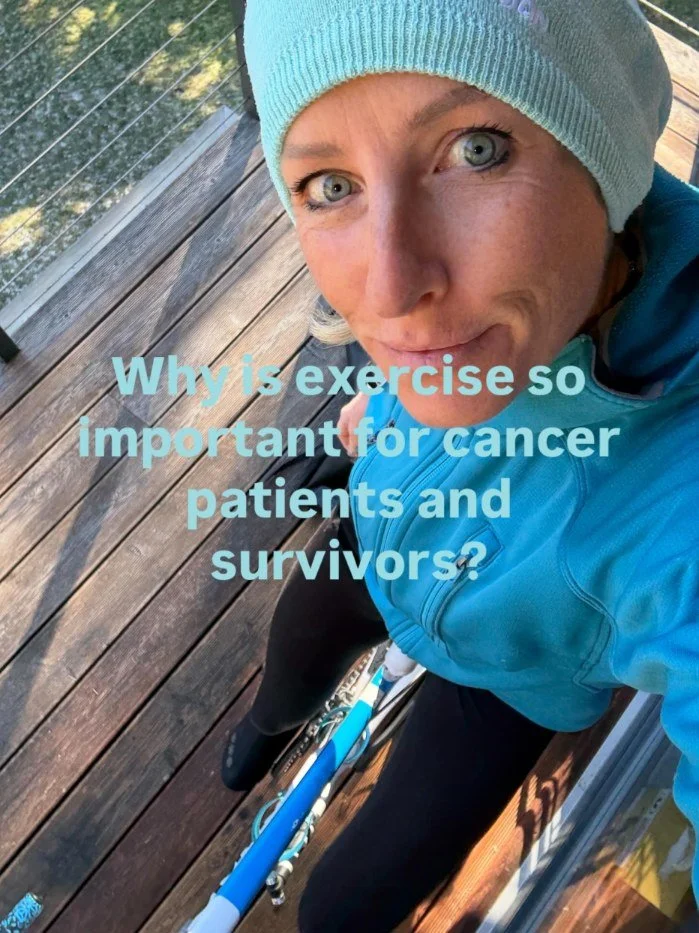
I've just got back from a workout at the gym. And honestly? Sometimes exercise feels like hard work. I don't always enjoy it. It doesn't always feel great. It doesn't always energise me. I don't always love it.
But I do always show up. Why?
It's not really about the running races, Hyrox and triathlons I challenge myself with. Those are just ways to keep me motivated – to keep me showing up when I'm not in the mood. The real reasons I exercise as hard, as often and as structured as I do since cancer are threefold.
🧠 1. Exercise is how I cope
Exercise is my coping mechanism. It's good for my brain. It helps me manage anxiety and life's stresses, and it keeps me energised. I always feel calmer, happier and more stable after a workout.
My anxiety has got much worse since cancer and menopause. Cancer treatment, scans, hormone therapy side effects, fear of recurrence – there's a lot to carry, long after active treatment ends. Moving my body is one of the few things that reliably takes the edge off.
I'm not alone in this. Exercise is increasingly recognised as an important part of looking after our mental health during and after cancer, helping with low mood, anxiety, fatigue and sleep. I wrote more about this in exercise, cancer and mental health.
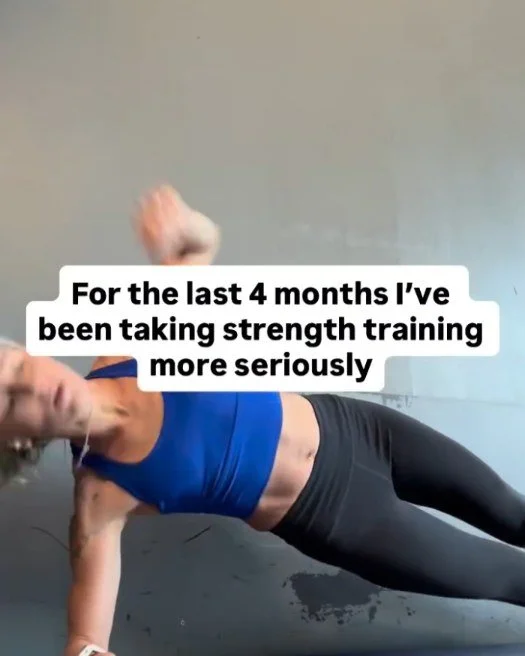
💪 2. I want to stay strong into old age
The foundations we build in our 40s and 50s are critical for what our 70s and 80s will look like. Some of the best predictors of independence in our eighties are our VO2 max (cardiovascular fitness), leg strength and grip strength – in our 40s and 50s.
Cancer treatment can strip a lot of that away. Chemotherapy, surgery and hormone therapy can leave us with less muscle, weaker bones, stiffer joints and lower fitness than before. For women who've had breast cancer, treatment-induced menopause adds another layer: falling oestrogen accelerates muscle and bone loss.
So for me, strength training and cardio aren't about how I look. They're about being able to lift my kids, carry my bags, hike up mountains and stay independent for as long as possible.
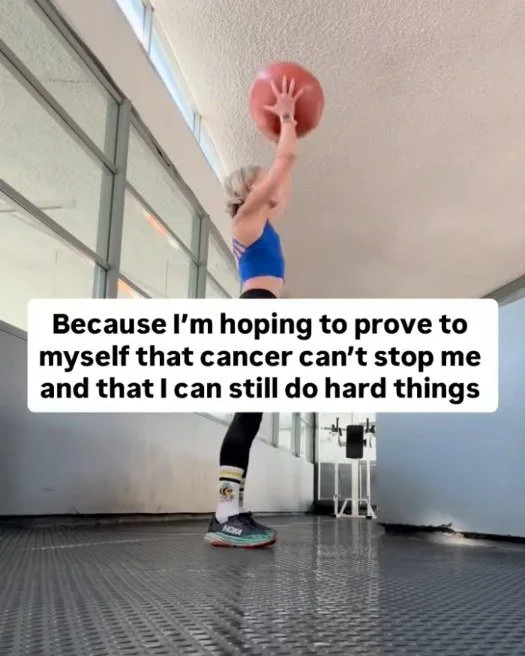
📚 3. I'm scared of cancer coming back
This is the big one. I am so scared of cancer coming back. I want to see my kids grow up. I want to still be adventuring with them in 20 years' time.
There is more and more evidence that regular, structured exercise can significantly reduce the risk of cancer recurrence. Of course, it's not a guarantee – nothing is. But the numbers are big. Depending on the study and the type of cancer, regular exercise has been associated with around a 30% reduction in recurrence risk. A landmark trial in colon cancer survivors even made headlines for showing exercise was "better than drugs" at helping stop cancer returning.
And yet very few people actually meet the minimum exercise guidelines. That's a huge, untapped opportunity for cancer survivors.
📅 Treat exercise like a doctor's appointment
Because exercise is this important to me, I treat it like a medical appointment. I protect it in my diary like an important meeting. Even when I really, really can't be bothered and would far rather be sitting on the sofa watching a movie with Doritos and wine.
A few things that help me keep showing up after cancer:
Book it in. Put your workouts in your calendar, with a time and a place.
Have a goal. A race, an event or a challenge gives you a reason to train on the days you don't feel like it.
Make it social. Training with a friend or a group adds accountability (and fun).
Lower the bar on tough days. A 15 minute walk still counts. Showing up matters more than a perfect session.
Mix it up. Combine strength training, cardio and mobility so you're building a body that's resilient, not just fit for one thing.
🏃 What exercise should I be doing after cancer?
General guidelines for cancer survivors suggest aiming for around 150 minutes of moderate activity a week, plus strength training twice a week. But there's no one-size-fits-all approach. Your cancer type, treatment, side effects, fitness level and life all matter. If you're unsure where to start, read how much exercise is safe after cancer.
❓ Exercise and cancer recurrence: common questions
Does exercise really reduce the risk of cancer coming back? A growing body of research links regular physical activity after cancer with a lower risk of recurrence and better survival for several cancers, including breast and bowel cancer. It's not a guarantee, but it's one of the most powerful things within our control.
I'm exhausted after cancer treatment. Will exercise make it worse? For most people, the opposite is true. Regular, appropriately-paced exercise is one of the most effective ways to reduce cancer-related fatigue. Start small, build gradually and respect your low energy days.
💬 Find your reason
Motivation comes and goes. Reasons stay. Whether it's your mental health, your future self or reducing your risk of recurrence, knowing why you exercise after cancer is what gets you out of the door on the days you'd rather not.
If you're not sure what exercise after cancer should look like for you, get in touch. I'm always happy to share tips and help you find a plan you'll actually stick to.